
Logistics professionals are increasingly turning to the capabilities of AI and machine learning to evaluate potential risks for every route, cargo size, regulations, weather, traffic data, equipment availability and previous shipment success prior to loading the equipment with cargo. But for successful OOG transport, the expertise of engineering judgment, precise cargo data and field execution are still essential.
Heavy equipment transport is more uncertain than conventional freight transport, especially when the loads are oversized, overweight, fragile, expensive or cannot be taken on a particular route. AI in heavy machinery transport can assist in assessing various factors in a more time-efficient manner than manual planning, and machine learning can enhance accuracy over time by drawing insights from previous deliveries. However, many shippers think that AI can simply develop a safe transport plan. In practice, AI results depend on the input data on dimensions, weight, center of gravity, and regulations.
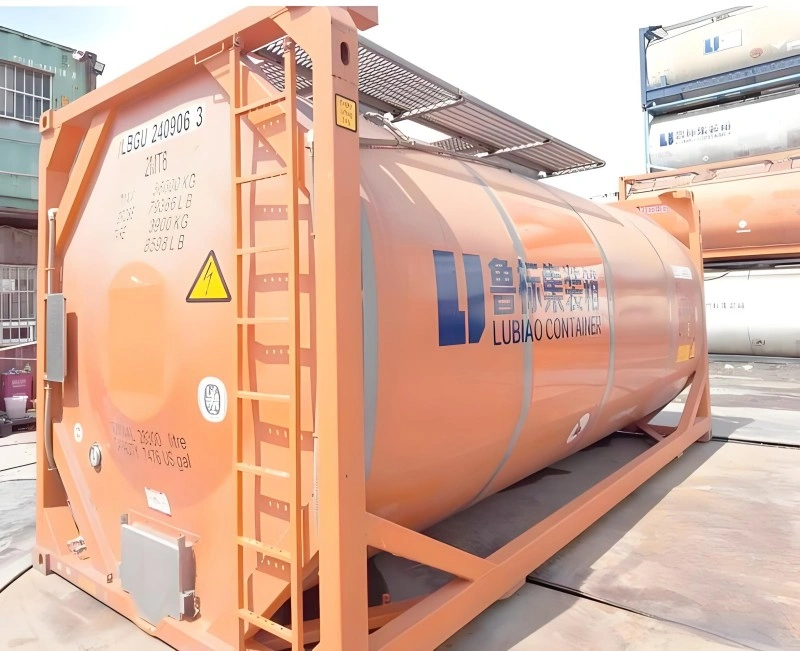
What Does AI Mean in Heavy Machinery Transport Planning?
AI in heavy machinery transport planning: These are the software systems that process a vast amount of data and aid in decision-making processes for heavy machinery transport. A subcategory of AI, machine learning uses past patterns to improve predictions, particularly in project cargo planning where each shipment introduces new information.
These tools are in fact a planning assistant and not a replacement for transport engineers in practice. They perform well in digesting variables that teams would otherwise take hours or days to weigh in on manually, but still need human oversight to understand the results in the context of real-world OOG logistics planning.
| Term | Meaning in Heavy Machinery Transport |
| AI | Software that analyzes transport variables and supports planning decisions |
| Machine Learning | Systems that learn from historical shipment data to improve predictions |
| Predictive Analytics | Forecasting risks such as delays, route restrictions, or cargo handling issues |
| Route Optimization | Comparing possible routes based on bridge limits, road width, permits, traffic, and weather |
| Planning Automation | Using data tools to speed up repetitive planning and documentation tasks |
Why Heavy Machinery Transport Needs Smarter Planning
Cargo overloading and oversized transport requirements are ripe for smarter planning, as mistakes in moving oversized loads can lead to big delays, cargo damage, safety or compliance problems — small issues that typically don’t occur in freight transport.
There are many challenges: size of the cargo dictates the type of trailer and the route it can go on, and weight contributes to axle loadings and permits for the trailer and cargo. Center of gravity relates to stability for all turns (or lifts) and route restrictions such as low bridges or narrow roads may even prevent progression. Consider the additional port handling limits, possible weather conditions, permit needs, internal transportation, port/carrier/consignee coordination and you’ll understand the difficulty of traditional manual methods. For complex equipment moves involving route restrictions, specialized trailers, and multi-stage coordination, advanced OOG logistics services can combine engineering review with data-driven planning tools to improve transport reliability.
| Planning Challenge | Why It Matters |
| Cargo Dimensions | Determines trailer type, container option, route feasibility, and loading method |
| Cargo Weight | Affects axle load, lifting equipment, permits, and road safety |
| Center of Gravity | Influences load stability and securing design |
| Route Restrictions | Low bridges, narrow roads, sharp turns, and weak bridges may block movement |
| Port Handling Limits | Determines crane access, loading sequence, and terminal acceptance |
| Weather Conditions | Rain, wind, snow, and heat can affect safety and scheduling |
| Permit Requirements | Delays may occur if route approvals are incomplete |
| Equipment Availability | Specialized trailers, cranes, and securing materials must be reserved early |
How AI Supports Route Planning for Heavy Machinery Transport
An important application of AI in OOG logistics is route planning, which relies on dozens of ever-changing factors that change day to day to determine the viability of the route for heavy cargo.
The advantage of AI in heavy machinery transport planning lies here, as it can quickly analyze the width of roads, the turning radius, bridge height, load-bearing capacity, traffic patterns, weather hazards, and permit requirements. It can identify alternate paths that will bypass urban congestion or “flood” time of year and also evaluate port access to determine if the load is oversized. It does not replace the need for ground truth, but it certainly limits the number of things that the engineer has to confirm.
| AI Route Planning Function | Practical Value |
| Bridge and Road Constraint Analysis | Helps identify height, width, and weight restrictions before transport |
| Turning Radius Assessment | Reduces the risk of route blockage for long or wide cargo |
| Traffic Pattern Prediction | Helps avoid congestion and urban movement delays |
| Weather-Based Route Adjustment | Supports safer scheduling during rain, snow, high wind, or extreme heat |
| Alternative Route Comparison | Allows planners to compare time, cost, risk, and permit complexity |
| Port Access Review | Helps verify whether oversized cargo can enter the terminal safely |
Machine Learning for Risk Prediction in OOG Logistics
Such a system of machine learning for oversized cargo logistics involves identifying patterns that even seasoned planners may not notice during a single project.
The system reviews past shipment data to identify repeat delays and looks at the history of route performance for those corridors most likely to be blocked, and learns from past weather data to predict risks during the season. It can also monitor carrier performance, port congestion patterns, equipment failure history, and documentation problems, and convert all of these data points into predictive intelligence for heavy equipment logistics.
| Data Source | What Machine Learning Can Predict |
| Historical Shipment Records | Common delay points and recurring operational risks |
| Route Performance Data | Roads or corridors with higher obstruction or delay probability |
| Weather History | Seasonal risks for rain, wind, flooding, heat, or snow |
| Port Congestion Data | Possible waiting time and terminal handling delays |
| Carrier Performance Data | Reliability trends and on-time performance |
| Incident Reports | Cargo damage patterns related to handling, securing, or route conditions |
| Documentation Records | Common causes of customs, permit, or booking delays |
AI in Load Planning, Trailer Selection, and Container Utilization
AI assisted load planning, trailer selection and container utilisation helps engineers match cargo dimensions and weight to options in a matter of seconds without taking the place of the final engineering review.
For instance, the system can compare flat rack, open top, lowbed and modular transport options, simulate load distribution and perform 3D load planning scenarios to test clearances and space utilisation. It points to the potential imbalances early and helps compare costs between the methods, thereby eliminating unnecessary expenses in out-of-gauge cargo transport and designing the solution that fits within the route limits and the port feasibility.
| Planning Area | How AI Can Help | Human Review Still Needed For |
| Trailer Selection | Compares cargo size, weight, route limits, and trailer options | Final safety and regulatory approval |
| Container Selection | Helps evaluate flat rack, open top, or breakbulk options | Carrier acceptance and port feasibility |
| Load Distribution | Flags possible imbalance risks | Center-of-gravity verification |
| 3D Load Planning | Simulates loading layout and clearance | Physical measurement and site conditions |
| Cost Comparison | Compares transport methods and route scenarios | Commercial negotiation and risk judgment |
How AI Helps Reduce Delays in Heavy Machinery Transport
AI can predict the most frequent delays on heavy equipment routes before they turn into crises, minimizing delays in moving these vehicles.
Predictive tools can warn about permit issues as much as weeks ahead of time, recommend alternative equipment options for specialized trailers or cranes, track port congestion on the fly, and help you calculate loading windows based on weather conditions. They additionally validate the completeness of documentation and increase visibility for all parties involved in the project cargo (from factory to consignee), and therefore play a significant role in preventing reactive fire-fighting and changing it into proactive project cargo planning.
| Delay Cause | How AI or Data Tools Can Help |
| Route Permit Delays | Identify permit requirements earlier in the planning process |
| Equipment Shortage | Forecast demand for specialized trailers, cranes, or securing materials |
| Port Congestion | Monitor terminal conditions and adjust schedules |
| Weather Disruption | Recommend safer loading or transport windows |
| Documentation Errors | Flag missing or inconsistent shipment information |
| Communication Gaps | Improve visibility across shipper, carrier, port, and consignee |
Where AI Still Has Limitations in Heavy Machinery Transport
While AI is not infallible when it comes to planning heavy machinery transport, it is important to acknowledge its limitations in order to avoid relying on technology that cannot fully replace human expertise.
No algorithm can overcome missing data or local road conditions that aren’t captured in the digital map. The rules for permitting vary from area to area, weather forecasts are not 100% accurate, and the loading and lashing can only be decided on-site from the actual loading behavior. In an emergency, it is essential to rely on human teams skilled in the intricacies that can only be captured when dealing with human beings.
| AI Limitation | Why Human Expertise Is Still Needed |
| Inaccurate Cargo Data | Engineers must verify dimensions, weight, and center of gravity |
| Local Road Conditions | Site surveys may reveal obstacles not shown in digital data |
| Permit Complexity | Regulations vary by country, port, province, or municipality |
| Loading Conditions | Physical site limitations may affect crane or trailer positioning |
| Lashing Design | Cargo securing must be reviewed based on actual load behavior |
| Emergency Response | Human teams must make real-time operational decisions |
What Data Should Shippers Prepare for AI-Assisted Transport Planning?
The most critical part of AI-driven transport planning is the quality of the data that shippers input, therefore, comprehensive data sets are crucial for making meaningful impact.
Cargo length, width, height, gross weight, center of gravity, lifting points, technical drawings, photos or videos, packaging, origin and destination, loading conditions in the factory, port preferences, delivery deadlines, hazardous components and special protection requirements are items that logistics managers should collect. The more accurate and comprehensive the data is, the more accurate the system will be in route planning for heavy cargo and in predicting the risk of transport.
| Information to Prepare | Why It Helps |
| Cargo Dimensions | Supports trailer, container, and route feasibility analysis |
| Gross Weight | Determines lifting, axle load, and permit requirements |
| Center of Gravity | Helps assess stability and securing risk |
| Lifting Points | Supports safe crane loading and unloading |
| Technical Drawings | Helps planners understand shape, structure, and weak points |
| Cargo Photos or Videos | Reveals packaging, protruding parts, and loading challenges |
| Origin and Destination | Supports route planning and permit review |
| Loading Site Conditions | Helps evaluate crane access and trailer maneuvering |
| Protection Requirements | Supports anti-rust, moisture, shock, or weather protection planning |
How AI and Human Expertise Work Together in OOG Logistics
When AI and human expertise collaborate in OOG logistics, each performing at its best, the best heavy machinery transport planning is achieved.
Using digital routes and load layouts, technology matches and simulates a variety of route options, and using local knowledge and conducting site surveys, engineers validate the real-world feasibility. Permits and stakeholder coordination are provided by operations team and lashing, blocking and bracing are provided by on-site supervisors. The data from each shipment completed is then fed back into the system, continually refining forecasts for future shipments thanks to smart logistics technology.
| Planning Role | Technology Contribution | Human Contribution |
| Route Planning | Compares digital route options and risk factors | Confirms feasibility through local knowledge and surveys |
| Load Planning | Simulates cargo positioning and space use | Reviews stability, center of gravity, and securing design |
| Scheduling | Predicts delays and suggests transport windows | Coordinates with ports, carriers, and site teams |
| Risk Management | Flags patterns from historical data | Makes judgment calls under real operating conditions |
| Continuous Improvement | Learns from shipment data | Applies experience to future project planning |
Practical Applications of AI in Heavy Machinery Transport
The value of AI in heavy machinery transport is showcased in practical applications, spanning beyond theoretical concepts to real project scenarios.
AI route planning for heavy equipment transport optimizes routes in cities to ensure timely permits and avoid low bridges when moving construction equipment. Machine learning algorithms to predict access and seasonal weather effects on oversized cargo in remote locations, for mining equipment. Using a flat rack or open top container for exporting industrial machines has the advantage of load layout comparisons, which maximize space and stability. Weather and schedule prediction reduces handling risks in power plant equipment shipments and multi-modal OOG shipments experience greater visibility through the road, port, and sea modes.
| Cargo Scenario | AI Planning Application | Practical Benefit |
| Construction Machinery | Route and permit analysis | Reduces road obstruction and permit delays |
| Mining Equipment | Remote route risk prediction | Improves planning for difficult access roads |
| Industrial Machinery | Load layout comparison | Helps choose suitable trailer or container options |
| Power Plant Equipment | Weather and schedule forecasting | Reduces exposure to delay and handling risk |
| Multi-Modal OOG Shipment | Port, road, and carrier coordination | Improves visibility across transport stages |
Common Misunderstandings About AI in Heavy Machinery Transport
There are a few misconceptions I’ve seen in the field about the use of AI in heavy machinery transport planning that can create unrealistic expectations.There are a number of common misconceptions I’ve come across in the field about the use of AI in heavy machinery transport planning that can lead to unrealistic expectations if not corrected early on.
- While AI can help with transport planning, it doesn’t necessarily ensure safety.AI can aid in transport planning, but it’s contingent on inputs being correct.
- Forget about “Garbage in, garbage out” for AI, inaccurate cargo info is an insurmountable challenge.
- Predictions using machine learning are not a confirmation of the transport approval, but rather a confirmation of the engineering sign-off.
- However, digital route planning should still be complemented with hands-on route surveys and local check-ups.
- AI is not a substitute for correct lashing, blocking, and bracing nor is it a substitute for supervision on the job.
- AI is most useful when used in conjunction with experienced teams as part of an overall OOG logistics planning process.
Conclusion — AI Is a Planning Tool, Not a Substitute for OOG Expertise
While AI can streamline heavy machinery transport planning, it won’t eliminate the importance of logistics expertise and decision-making. When it comes to oversized and high-value goods, the best plans are created through careful information on the shipments, digital analysis, engineering review, equipment selection and expert supervision on the ground.
Managers who grasp these facts—who have to collect detailed cargo data, check AI suggestions with field knowledge, and keep a tight human eye on the process—are always able to produce good results in project cargo planning. While the technology evolves, the fundamentals of heavy equipment logistics remain the same: precision, experience, and careful execution will always be the keys to successful out-of-gauge cargo transport.