OOG Shipping Solutions

Open Top Container
Shipping Services

Safe and practical shipping solutions for over-height, heavy, and hard-to-load cargo.

Bentlee provides open top container shipping services for cargo that cannot be loaded through standard container doors or requires top loading by crane. We help plan and coordinate the full process—from cargo measurement and container selection to loading plans, lashing arrangements, route review, and pre-shipment preparation—so your shipment moves with greater safety and control.
On-site cargo measurement
Loading and lashing planning
Tarpaulin protection support
End-to-end OOG coordination
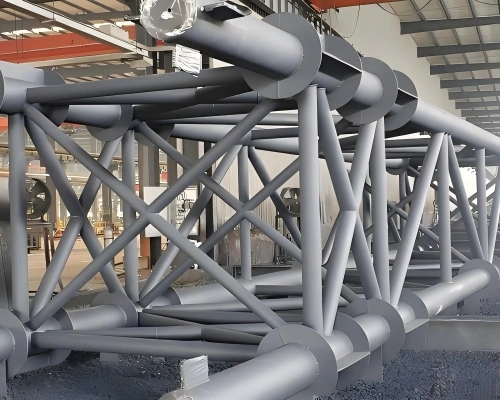
Pre-assembled steel structural framework ready for open top container shipment, demonstrating oversized project cargo handling

Built for Cargo That Standard Containers Cannot Handle

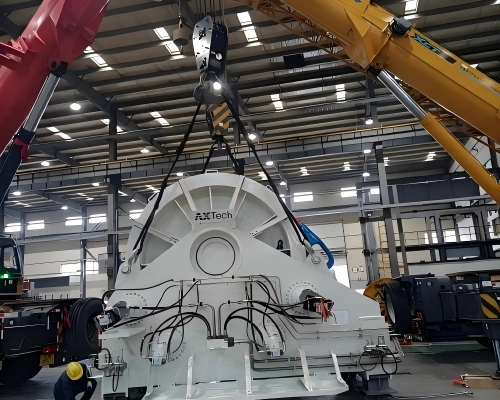
Open top containers are widely used for oversized or irregular cargo that is too tall or too difficult to load through the rear doors of a standard container. Because the roof structure can be opened for top access, they are often a practical choice for machinery, steel structures, generators, pipes, and other project cargo that needs crane loading or extra vertical clearance.

At Bentlee, we do not treat open top shipping as a simple booking task. Each shipment is reviewed based on cargo dimensions, weight, handling method, protection requirements, and transport feasibility so the logistics plan is built around the cargo itself.

What Is Open Top Container Shipping?

Open top container shipping is a specialized transport solution for freight that cannot be loaded in the usual way through standard container doors. Instead of a fixed steel roof, an open top container uses a removable roof system and tarpaulin cover, allowing cargo to be loaded from above with suitable lifting equipment.

This makes open top containers especially useful for over-height cargo, awkwardly shaped freight, and heavy industrial units that require top loading. They also provide the practical advantage of container side walls, which can offer more protection than more exposed OOG equipment in some shipping situations.
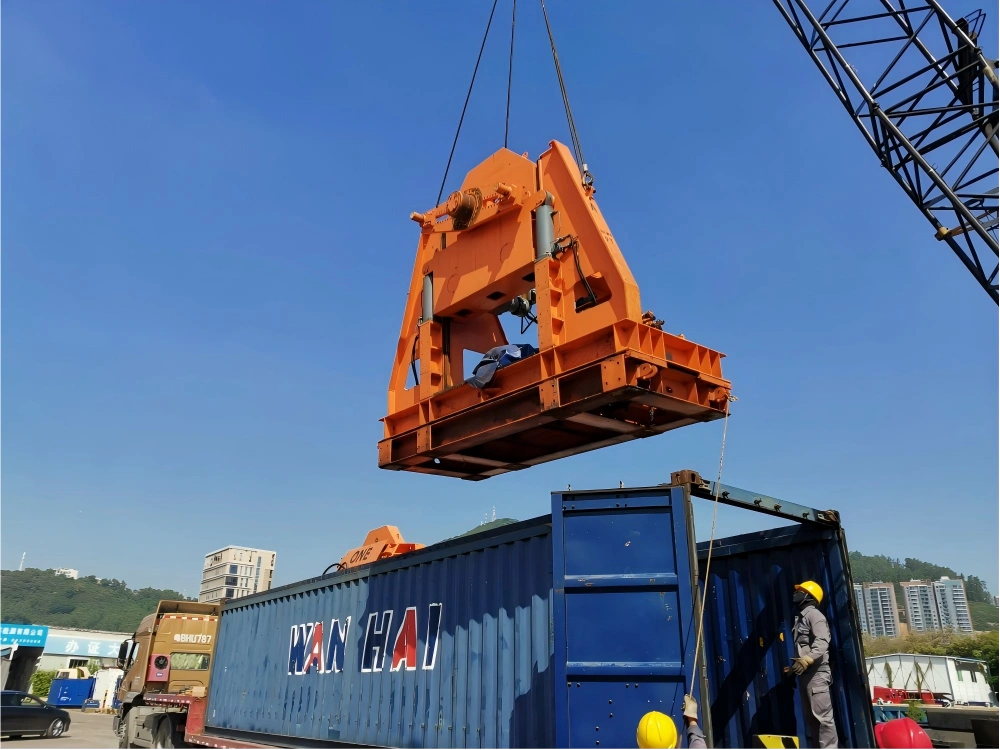
Crane lifting industrial equipment using a spreader beam into a WAN HAI open top container during top-loading operation

When an Open Top Container Makes Sense

Not every oversized shipment needs the same equipment. An open top container is usually considered when cargo needs vertical loading access, exceeds normal loading height limits, or requires a more protected container-style structure during transport.

Over-height cargo

If the cargo cannot pass through the door opening of a standard container, top loading may be the more practical solution.

Crane loading required

Large machinery, tanks, steel fabrications, and other heavy units are often easier and safer to handle from above using cranes or other lifting equipment.

Irregular cargo shape

Some freight has protrusions, uneven geometry, or dimensions that make rear-door loading inefficient or risky. Open top containers help create a more workable loading setup.

Cargo still needs covering

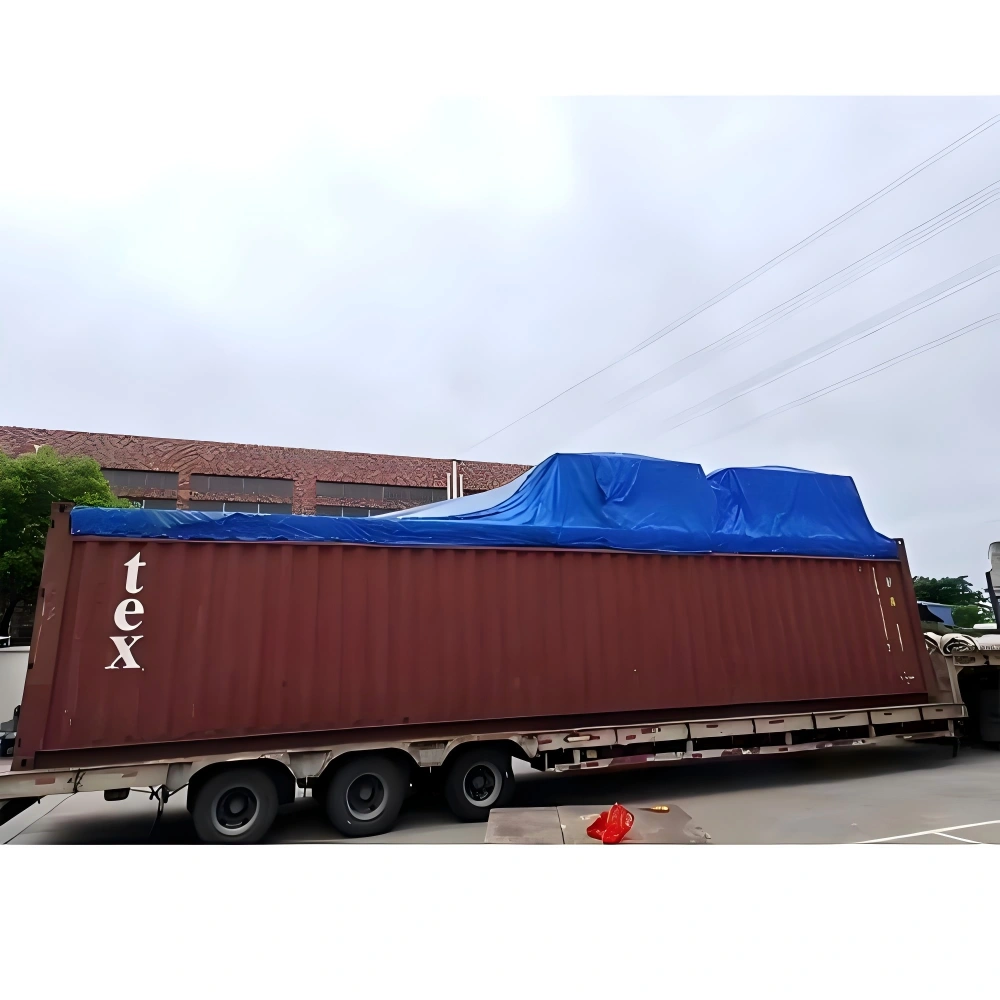
After loading, the cargo is typically covered with tarpaulin, helping reduce weather exposure during transit.

Cargo Types We Commonly Support

Open top container shipping is often suitable for industrial and project cargo that requires top loading, extra clearance, or more flexible handling during loading and unloading.
Industrial Machinery

Production equipment, plant components, and mechanical units that are heavy, bulky, or difficult to load through standard doors.
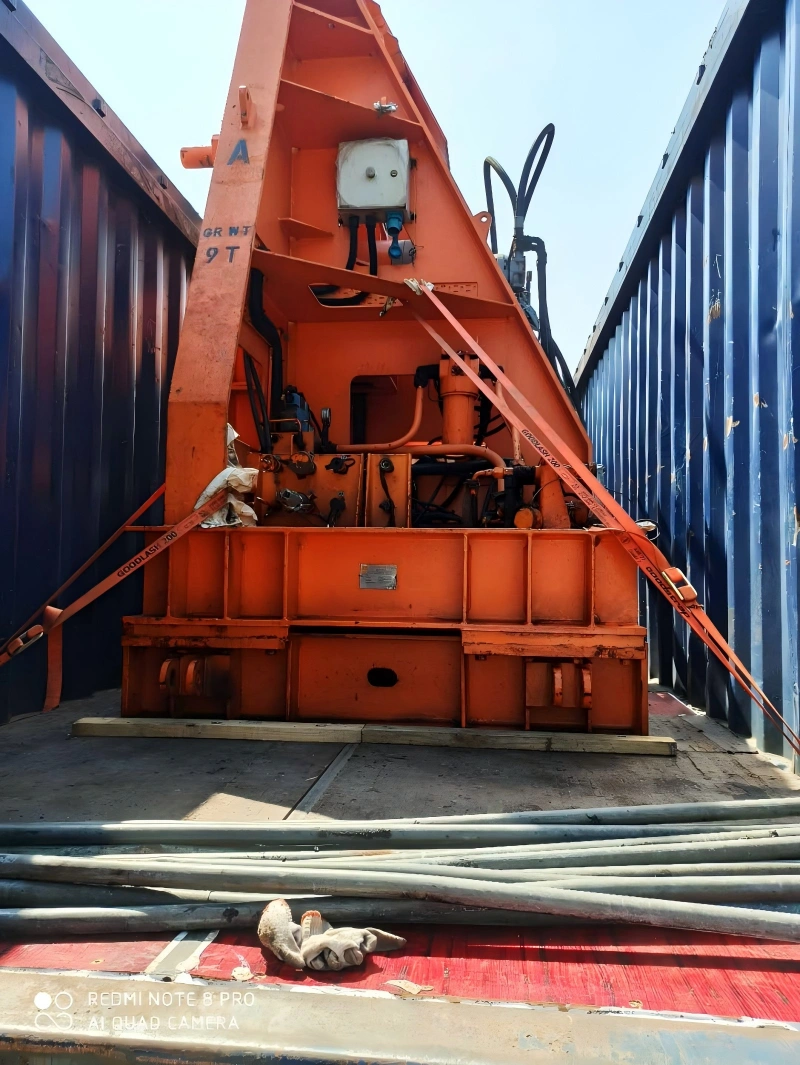
Generators and Equipment Parts

Dense cargo that often requires controlled lifting, stable support, and careful weight distribution.
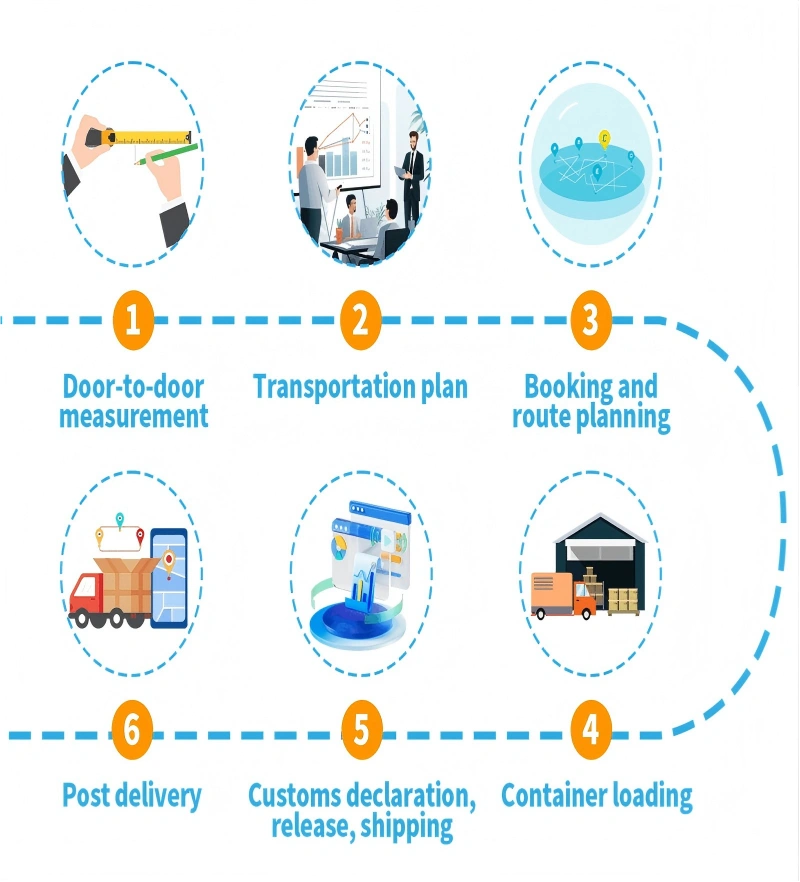
Steel Structures and Fabricated Components

Steel beams, frames, and structural parts that may be too long, tall, or awkward for conventional container loading.
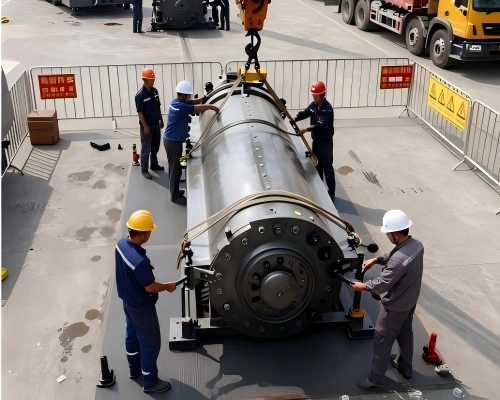
Pipes and Long Cargo

Industrial pipes and long components that require top access and careful securing during transit.
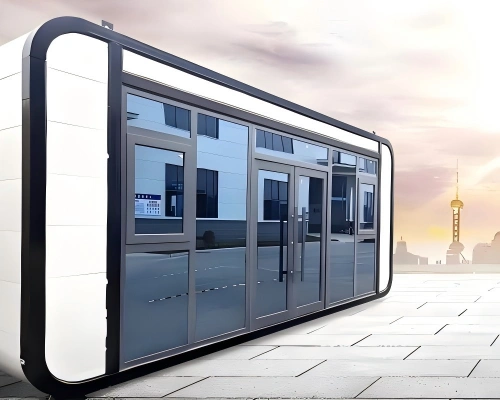
Glass Panels and Fragile Project Cargo

Sensitive cargo that benefits from pre-planning, secure restraint, and practical cargo protection measures.
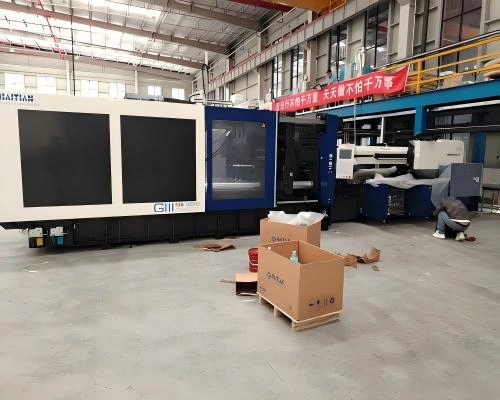
Factory Relocation and Engineering Cargo

Mixed industrial shipments that need coordinated handling, transport planning, and OOG expertise.

Why Bentlee for Open Top Container Logistics

Successful open top shipments depend on planning long before cargo arrives at the port. Bentlee supports the technical and operational steps that help reduce avoidable problems, including cargo measurement, shipment assessment, equipment review, loading plan preparation, and securement planning.

Our approach is built around real cargo conditions rather than standard assumptions. That means looking closely at dimensions, weight, center of gravity, lifting access, route constraints, and protection requirements before execution begins.

01
Cargo Measurement First

We start with the actual cargo, because accurate dimensions and handling details are the foundation of every workable OOG shipping plan.

02
Practical Equipment Selection

We help determine whether an open top container is the right fit based on loading method, cargo profile, and shipment conditions.

03
Loading and Securing Support

We support cargo securing strategies, lashing arrangements, and protection planning for better shipment stability.

04
End-to-End Coordination

From factory readiness to export movement, we help connect the critical steps that keep complex shipments moving.

How Our Open Top Shipping Process Works

Every shipment starts with understanding the cargo in detail. From there, we build a practical transport plan that supports safe handling, suitable equipment selection, and smoother coordination through the shipping process.

1
Cargo Review

We review cargo dimensions, weight, packing condition, lifting points, and handling requirements to understand the shipment clearly.

2
Equipment and Loading Assessment

We assess whether an open top container is suitable and how the cargo should be loaded, supported, and secured.

3
Transport Planning

We plan the inland movement, loading sequence, and route considerations needed before the cargo proceeds to port.

4
Pre-Shipment Preparation

We prepare the shipment for loading with attention to cargo stability, restraint, and weather protection requirements.

5
Shipment Coordination

We support the execution stage so the shipment can move with better operational alignment from origin to export departure.
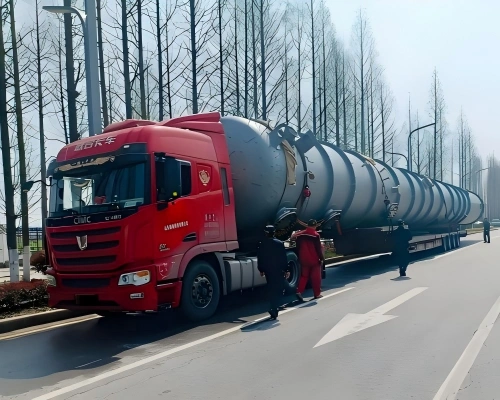
Loading, Securing, and Protection Are Critical

Open top containers provide flexibility, but safe execution depends on proper loading and securement. Cargo must be positioned carefully, weight should be distributed correctly, and lashing arrangements should be designed to reduce movement during handling and transit.

Weather protection also matters. Because open top containers are typically covered with tarpaulin after loading, the condition and fastening of the cover should be checked carefully before shipment proceeds.

What We Review Before Shipment
  • Cargo dimensions and weight
  • Loading access and lifting method
  • Support points and weight distribution
  • Lashing and internal restraint
  • Tarpaulin coverage and protection needs
  • Pre-shipment readiness and handling coordination

Open Top Container vs Flat Rack

Both open top containers and flat racks are used for OOG cargo, but they are not interchangeable in every case. The right option depends on cargo dimensions, loading method, protection needs, and overall shipment feasibility.

Aspect Open Top Container Flat Rack
Loading approach Top loading with removable roof access More open loading format for certain oversized cargo
Protection level Side walls plus tarpaulin cover More exposed structure depending on cargo setup
Typical use Over-height or awkward cargo needing top loading Cargo needing a more open base or broader exposure tolerance
Planning focus Loading, lashing, height clearance, weather protection Securing, exposure, width/height feasibility

If you are unsure which option is right for your cargo, Bentlee can review the shipment details and help recommend a more suitable transport setup.

Frequently Asked Questions

An open top container is used for cargo that cannot be loaded through standard container doors or needs top loading access. It is commonly used for heavy, bulky, and over-height freight.
Typical cargo includes machinery, generators, pipes, steel components, glass panels, and other industrial freight with difficult dimensions or handling requirements.
An open top container may be a better option when the cargo is too tall, too awkwardly shaped, or needs to be loaded from above rather than through the doors.
Cargo is typically secured using lashing points, proper support, balanced weight distribution, and shipment-specific restraint arrangements designed to reduce movement.
Yes, open top containers are usually covered with tarpaulin after loading, which helps provide weather protection during transport.
Yes. Bentlee supports cargo assessment, loading planning, lashing coordination, and shipment preparation for open top container movements.
To review your shipment properly, it is best to provide cargo dimensions, weight, packing details, loading location, destination, and any special handling requirements.
That depends on the cargo profile, loading access, protection needs, and shipment constraints. A technical review is usually the best first step.

Need a Reliable Plan for Your Open Top Shipment?

Send us your cargo dimensions, weight, origin, destination, and loading details. Bentlee will review the shipment and help you find a practical open top container solution for your cargo.

For faster assessment, please include cargo photos, packing details, and lifting information.

Scroll to Top