
Container shipping is one approach that can be used to transport oversized cargo, whereas breakbulk shipping is another approach based on the size of the cargo and the logistics needs. Container shipping typically has specialized containers namely flat rack containers, open top containers and platform containers. On the other hand, break bulk shipping implies loading the cargo onto the vessel without containers. There is a general belief that container shipping is the option at all times but in real life there are some oversized cargos that cannot be shipped using the container system and therefore it has to be shipped using the breakbulk vessels. Breakbulk or container shipping is determined by the dimensions and weight of cargo, loading parameters, and the capacity of ports.
Two of the key modes of transport that can be used in oversized cargo are breakbulk shipping and container shipping, and the most suitable mode of transport is determined by the size of a cargo, handling needs, and the logistics planning. Working as a logistics consultant with experience in the shipment of international projects, I have observed the effects of such decisions on the various factors such as transit time up to the total project costs. This guide will deconstruct the essentials to guide you on assessing which approach will be more appropriate to your operation requirements.
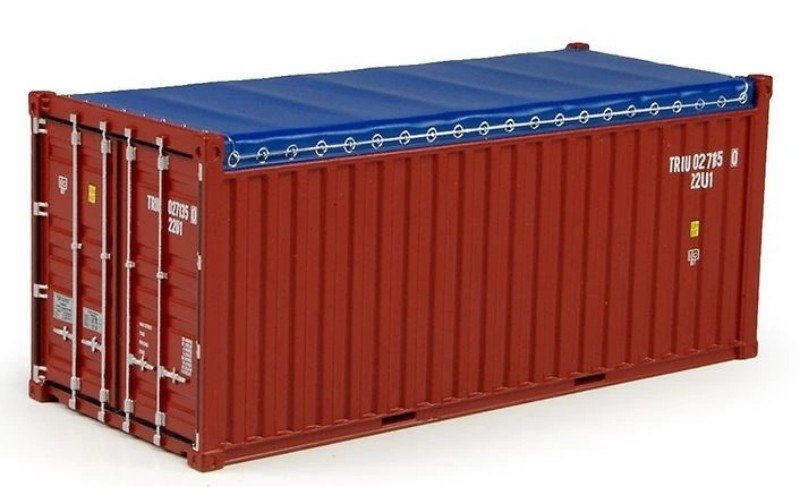
What Is Container Shipping for Oversized Cargo?
Container shipping is the most popular one in cases when it is possible to fit cargo in the special container equipment. Practically, the strategy modifies the standard intermodal containers to contain products that are beyond the standard dimensions of 20 or 40 feet containers and then they can easily be incorporated into the global supply chains.
With oversized cargo, the logistics teams usually have these options of containers:
| Container Type | Typical Use |
| Flat rack container | Wide or heavy cargo |
| Open top container | Tall cargo |
| Platform container | Extremely large cargo |
These containers allow easier operations with the standardized logistic operations and more frequent shipping schedules. Goods are packed at the point of origin, packed into the container and transported by truck, rail or ship, never repackaged. The technique is appropriate when the size of the shipment is within container limits, that is, a maximum height of 2.5 meters of open tops or an elongated length to the flat rack. In my experience as an advisor in issues related to machine exportation, container shipping ensures that there are few touchpoints, and the equipment is not damaged during transshipment in high-traffic ports, such as Rotterdam or Shanghai.
Companies handling complex industrial shipments often rely on professional oversize cargo transportation to define whether it is better to apply container shipping or breakbulk shipping.
This analysis involves analyzing the availability of vessels and port infrastructure at the early stages of planning.
What Is Breakbulk Shipping?
Cargo that is not containerizable in terms of extreme size or weight is delivered by breakbulk shipping. It includes loading personal cargo units onto the deck or hold of a vessel directly onto the deck or the hold with the help of cranes and special rigging.
Breakbulk shipping has the following main characteristics:
| Breakbulk Feature | Description |
| Cargo handling | Individual cargo pieces |
| Container requirement | None |
| Vessel type | Breakbulk or heavy-lift vessels |
| Loading method | Crane loading |
This approach is usually used with very large industrial equipment, e.g. turbines, big generators or big industrial structures. When working on energy sector projects, I have had to plan breakbulk shipments of such things as wind turbine blades that are over 50 meters long-anywhere a container cannot handle. The process will involve elaborate stowage plans to help maintain stability during ocean transport and in most cases this may include the use of custom lashing and securing methods to withstand rough seas.
Operational Considerations in Breakbulk
The break bulk planning requires intensive liaisons with the vessel operators and port management. As opposed to containerized loads, the pieces are processed individually, which may prolong the loading process but increase the flexibility of cargo organisation.
Key Differences Between Breakbulk and Container Shipping
The major distinction between breakbulk and container shipping lies in the way they are handled and constructed, which affect all aspects such as cost to schedule in the oversized cargo logistics.
These differences can be pointed out with the help of a side-by-side comparison:
| Factor | Container Shipping | Breakbulk Shipping |
| Cargo limits | Limited by container structure | No container limitations |
| Handling method | Containerized | Direct vessel loading |
| Shipping frequency | More frequent | Less frequent |
| Logistics complexity | Lower | Higher |
The logistics planning is quite different: container transport takes advantage of the international networks where the schedule is predictable, and is suited to the deliveries that require time. Breakbulk is however more complex than regular routing and could involve chartering, but this is able to cater to non-standard cargo profiles. When considering the breakbulk vs container shipping in regard to the specifics of oversized cargo, the planners have to balance these factors with the timelines and budgets of the project — including the choice between Flat Rack vs Open Top.
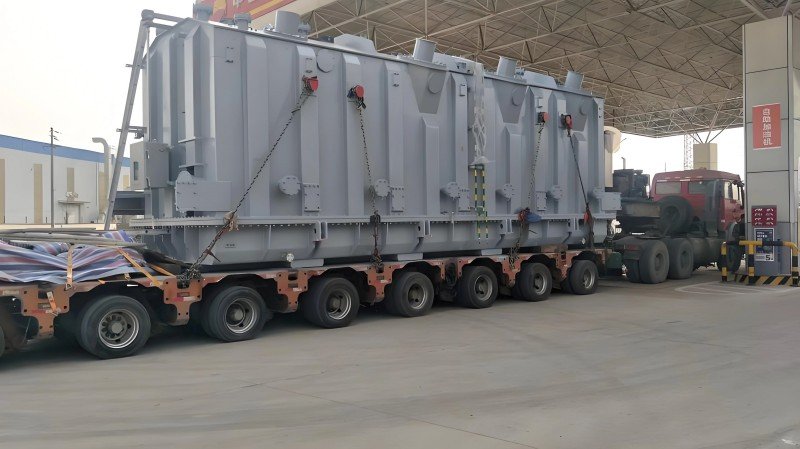
Impact on Supply Chain Efficiency
Practically, container shipping is more compatible with multimodal transport, whereas breakbulk may require special port calls, which can add days on the way.
Advantages of Container Shipping for Oversized Cargo
Where possible, container shipping is usually chosen due to the fact that it fits with the other developed international trade infrastructure, which provides reliability in case of oversized loads that are accommodated in specialized units.
Key advantages include:
| Advantage | Explanation |
| Standardized logistics | Simplifies handling |
| More shipping routes | Higher schedule frequency |
| Better cargo protection | Containers provide partial protection |
| Easier port handling | Standard equipment available |
Whereas the case of exporting construction machinery involves a lack of control over the equipment, container shipping minimizes risks of operational uncertainties given that the equipment is enclosed, hence protecting it against weather and theft. The timetables of large airlines give a greater number of choices which proves vital in manufacturing supply chains in the delays required by just-in-time. This approach saves up to 20-30% of the spend on breakbulk based on the size of dimensions when handling containers, as a result of economies of scale.
Cost and Efficiency Gains
Customs clearance and tracking is also simplified through the standardization and it is a popular place to logistics planners planning numerous shipments.
Advantages of Breakbulk Shipping
The flexibility presented by breakbulk shipping is very useful in that it is imperative in cargo that cannot be containerized and demand unique means of transportation.
Notable advantages are:
| Advantage | Explanation |
| No container size limitations | Suitable for extremely large cargo |
| Flexible cargo configuration | Supports irregular shapes |
| Heavy-lift capability | Handles extremely heavy cargo |
| Direct vessel loading | Avoid container restrictions |
An example is in the transportation of oversized cargo by use of breakbulk transport like the oil rig parts that have weights of more than 100 tons, this use involves heavy-lift cranes that are able to position the cargo precisely. It eliminates the necessity of disassembly and cargo remains intact. Consultation with infrastructure firms has shown me that breakbulk can be essential in instances of one-off project moves that would otherwise necessitate expensive changes in the use of standard containers.
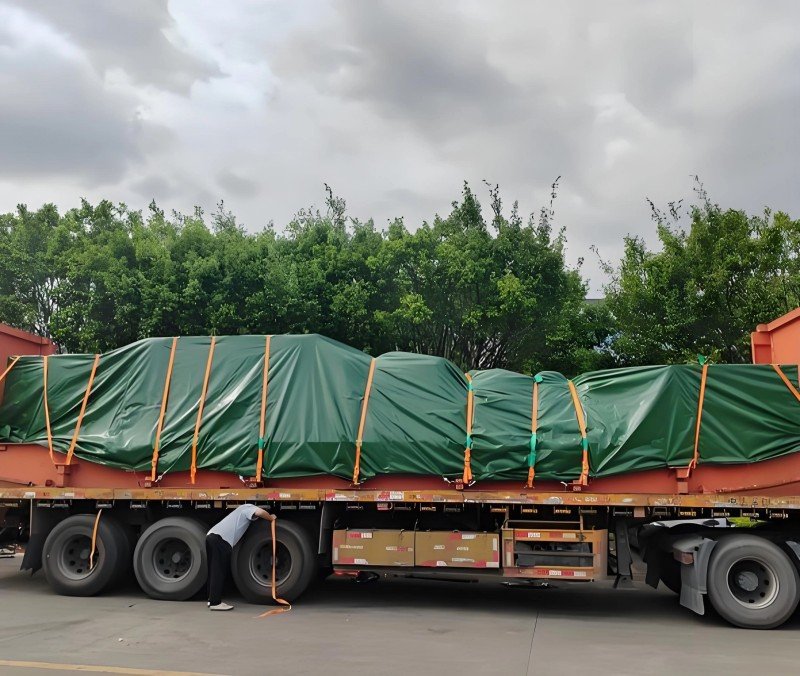
Handling Extreme Conditions
This method also enables onboard securing techniques to suit certain-cargo shapes, which make it safe in high sea conditions.
When to Choose Breakbulk Instead of Container Shipping
Breakbulk is chosen by logistics planners when container solutions are no longer suitable taking priority over standardization, cargo safety, and feasibility.
Common situations include:
| Situation | Reason |
| Cargo exceeds container dimensions | Cannot fit in flat rack or open top |
| Extremely heavy equipment | Requires heavy-lift vessel |
| Project cargo shipments | Multiple large cargo pieces |
| Specialized port equipment available | Enables breakbulk handling |
Consideration of these conditions includes site survey and dimensional analysis at an early stage.The question of when to adopt breakbulk shipping emerges during the planning stages whereby the decision to use the mode is determined by details like the draft of the vessel, crane capacities, etc. Expert OOG logistics providers help evaluate these variables early.Experience indicates that making the transition to breakbulk eliminates the delays due to forced adaptations of a container, but requires more initial coordination.
Decision-Making Framework
The final choice is informed with comprehensive risk analysis, such as weather conditions and road risks on the route, to maximize transportation.
Industries That Frequently Use Breakbulk Shipping
Some of these industries often resort to breakbulk shipping because of the size and irregularity of the cargo, which requires special handling.
Examples include:
| Industry | Typical Cargo |
| Renewable energy | Wind turbine components |
| Oil & Gas | Drilling equipment |
| Power generation | Turbines and generators |
| Infrastructure | Bridge construction materials |
| Manufacturing | Large industrial equipment |
These industries use breakbulk as the method of transporting oversize cargo breakbulk due to the fact that their shipment process usually includes non-standard goods which require vessels to be stowed in a custom way. When consulting with energy project managers, I have observed that the breakbulk has been useful in facilitating the delivery of phased project in remote location where a container infrastructure is scarce.
Why Specialization Matters
The knowledge of picking up vessels and loading procedures make sure that there are minimum disruptions in high goals projects.
Conclusion — Choosing the Right Shipping Method for Oversized Cargo
Breakbulk shipping and container shipping are key in the logistics of the oversized cargo. Container shipping may frequently be used in regard to oversized cargo which can still be loaded into specific containers whereas breakbulk shipping is required in cases where the cargo is too large to be crated in containers and must be loaded directly into the vessel. It will all depend on a close evaluation of the cargo requirements, port capacity and project schedules.Balancing those factors, logistics teams can choose the approach that will help them to achieve successful international transportation at the cost of efficient yet safe transportation — particularly important in factory relocation projects.