
Introduction
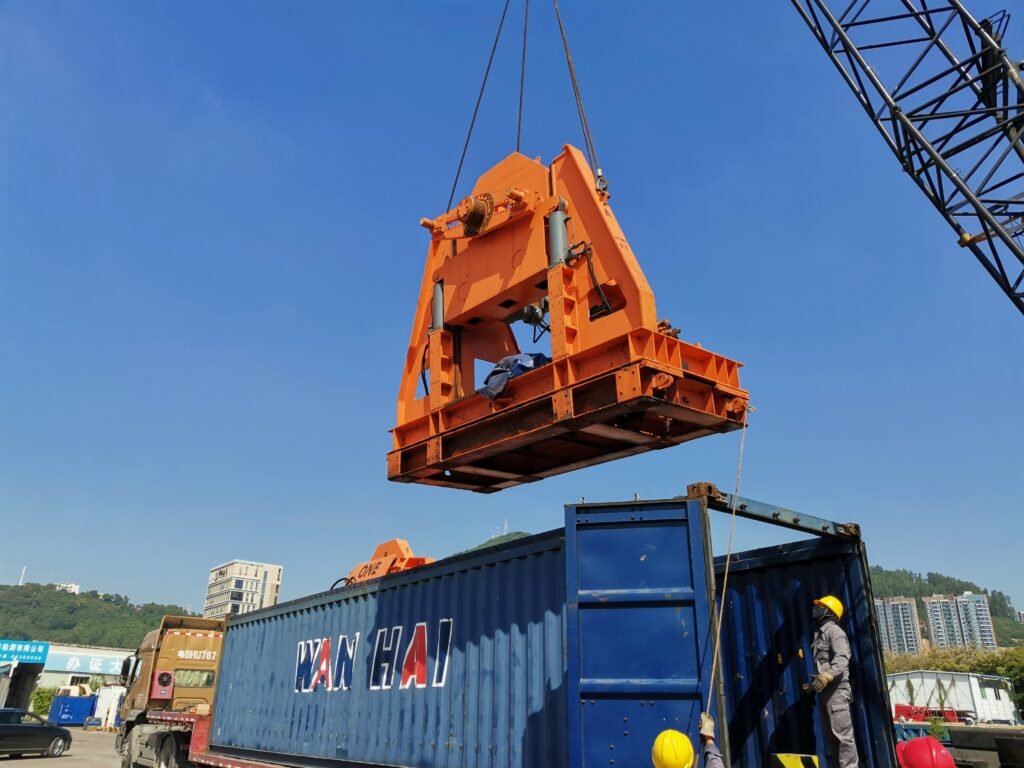
Shipping oversized machinery from China isn’t like sending a standard container of goods—it’s a whole different ballgame that demands specialized knowledge and careful planning. As someone who’s overseen dozens of oversized cargo logistics projects over the years, from moving massive CNC machines to entire production lines, I can tell you that getting it wrong can lead to delays, damaged equipment, or skyrocketing costs. Oversized machinery, or OOG cargo (that’s “out of gauge” for those new to the term), refers to items that exceed the dimensions of a standard shipping container—think anything taller than 8.5 feet, wider than 8 feet, or heavier than what a regular box can handle safely.
Why does importing large industrial machines from China require this level of specialized logistics? China is a manufacturing powerhouse, churning out heavy equipment like presses, injection molders, and assembly robots at competitive prices. But transporting them overseas means navigating tight port regulations, unpredictable sea conditions, and customs hurdles. Buyers must weigh risks like equipment shifting during transit, which could cause thousands in repairs, against costs that can balloon from surcharges and extra handling. Decisions on packing, routing, and partners are make-or-break.
The process boils down to a few key steps: starting with an on-site survey to measure your machinery precisely, then packing it securely, selecting the right container or method, booking space with a reliable carrier, and finally overseeing the shipment to its destination. In this guide, we’ll dive deep into each, prioritizing the essentials up front so you can act on them right away. Whether you’re a first-timer or seasoned importer, understanding these will help you transport large machines efficiently and avoid headaches.
What Counts as Oversized or OOG Machinery?
First things first: let’s define what we’re dealing with. OOG cargo, or out of gauge cargo, includes any machinery that doesn’t fit neatly into a standard 20-foot or 40-foot container. These containers have interior limits—typically around 7.8 feet wide, 7.9 feet high, and weights capped at about 25-30 tons depending on the line. If your item pokes out in height, width, or length, or tips the scales too far, it’s OOG.
Common examples? I’ve handled plenty: massive press machines that stand over 10 feet tall, CNC machining centers wider than a truck bed, injection molding machines weighing 50 tons, or even disassembled production lines with awkward protrusions. Heavy equipment shipping from China often involves these, as factories there produce everything from construction cranes to wind turbine parts.
You know you need specialized handling when a standard container can’t be used—maybe the machinery can’t be loaded through the doors, or it risks damaging the container walls. In my experience, about 20-30% of industrial exports from China fall into this category, especially in sectors like automotive, mining, and manufacturing. Recognizing this early saves you from last-minute scrambles.
Best Shipping Methods for Oversized Machinery from China
Choosing the best way to ship industrial machinery is crucial—get it right, and your cargo arrives intact; get it wrong, and you’re facing claims and delays. Based on years of coordinating oversized machinery shipping, here are the top methods, with pros, cons, and when to use them.
- Flat Rack Containers for Machinery These are essentially platforms with foldable ends, perfect for items that are too wide or long. I’ve used them for shipping excavator arms or conveyor systems that overhang the sides. Advantages include secure tie-down points and compatibility with standard container ships, keeping costs lower than alternatives. Challenges? They’re exposed to weather, so extra protection is needed, and ports might have height restrictions for stacking. If your machinery is under 40 feet long but over-width, this is often the go-to.
- Open Top Container Machinery Ideal when you need to load from above using cranes—think tall silos or vertical presses. The removable roof allows easy access, which I’ve found invaluable for fragile equipment that can’t be tilted. Pros: Better protection from elements than flat racks, and they’re stackable. Cons: Limited to heights around 15-20 feet with surcharges, and sealing the top properly is key to avoid water damage. Use this for machinery that fits lengthwise but exceeds standard height.
- Breakbulk Shipping When machines exceed container limits entirely, like a 100-ton generator, breakbulk is your option—loading directly onto the ship’s deck or hold. It’s flexible for truly massive pieces but comes with higher costs due to specialized vessels and longer transit times. Pros: No size constraints. Cons: Weather exposure and potential for shifting if not secured well. In China ports like Shanghai, this is common for engineering logistics involving oversized cargo.
- RO-RO (Roll-On / Roll-Off) Great for wheel-mounted machinery, such as tractors or mobile crushers, that can be driven or towed on/off the ship. I’ve coordinated RO-RO for mining equipment trailers—it’s efficient and minimizes handling damage. Advantages: Quick loading, lower risk of dents. Challenges: Not suitable for non-wheeled items, and routes are limited. If your heavy equipment shipping from China involves drivable machines, this cuts down on disassembly.
Each method has its place; for instance, I once shipped a fleet of oversized lathes via flat racks from Ningbo, saving 15% on costs versus breakbulk.
On-Site Measurement, 3D Load Planning & Engineering Support
Accurate measurements are non-negotiable—I’ve seen shipments halted because a machine was off by just inches, leading to denied loading. Start with an on-site survey: send a team to measure length, width, height, weight, and center of gravity. This data feeds into 3D load planning, where software simulates how the machinery fits in the container or on deck, optimizing space and balance.
Why does this matter for how to transport large machines? It prevents overloading, ensures stability during swells, and identifies crane needs or lifting points early. Route planning comes next—considering road widths from factory to port, bridge clearances, and even vessel stability. Engineering analysis might involve stress tests on lashing points to control risks like tipping.
In one project, 3D planning revealed a potential collision in a flat rack setup, allowing us to adjust before packing. Always involve experts here; it’s the backbone of safe oversized cargo logistics.
How to Pack, Secure, and Protect Machinery for International Shipping
Packing isn’t just wrapping—it’s engineering for survival. For oversized machinery, we use heavy-duty wooden crate packaging to shield against impacts. I’ve specified crates with reinforced corners for CNC machines, ensuring they withstand port handling.
Lashing and securing is where expertise shines: using chains, straps, and steel wires anchored to container points, following CTU Code standards. This prevents shifting—imagine a 20-ton press sliding during a storm. Vacuum sealing adds moisture protection, especially for electronics, while rust prevention sprays or desiccants guard metal parts on long hauls from China.
Compliance is key; poor securing once caused a delay in a shipment I managed, but proper plans fixed it. Make this section authoritative by emphasizing: always test lashings under simulated conditions.
Key Documents Needed to Ship Machinery from China
Paperwork can make or break your shipment. Start with HS codes for classification—e.g., 8429 for earth-moving machinery—to avoid customs snags. Your packing list must detail dimensions, weights, and values.
Include the Commercial Invoice (CI) and Packing List (PL) for valuation, plus an export declaration from China. For OOG, a lashing plan diagram is essential, showing securing methods. If hazardous (like batteries), add a dangerous goods declaration.
In my experience, preparing these early with a forwarder specialized in machinery export guide prevents hold-ups at ports like Qingdao.
Main Cost Factors for Oversized Machinery Shipping
Costs vary wildly—expect $5,000-$20,000 for a 40-foot OOG from China to the US, influenced by factors like container type (flat racks add 20-50% surcharges for over-dimensions). POL/POD handling charges for cranes can tack on $1,000+, while lashing and packaging might run $500-$2,000.
Trucking from factory, crane fees, port congestion (worse in peak seasons), and route choices (e.g., via Panama vs. Suez) all play in. I’ve negotiated down surcharges by optimizing loads, so shop around for quotes.
Common Problems and How to Avoid Them
Common pitfalls? Incorrect dimensions lead to rejections—always double-measure post-disassembly. Poor lashing causes damage; solution: hire certified teams. Unexpected surcharges from over-width? Factor them in early quotes.
Customs delays from incomplete docs? Prep everything weeks ahead. Inexperienced forwarders botch coordination—vet them for OOG experience. Real talk: I once fixed a surcharge issue by rerouting, saving the client $3,000.
Expert Tips to Ensure a Smooth Shipment
From the trenches: Measure after disassembly to catch changes. Request 3D stowage planning upfront. Hire OOG-specialized forwarders—they know the ropes. Prepare docs early, and choose packing partners with track records in wooden crate packaging.
Monitor weather for sea routes, and insure comprehensively. These tips have smoothed many projects for me.
Conclusion
Shipping oversized machinery from China boils down to meticulous planning, from measurements to securing, ensuring your investment arrives safely. By following this guide, you’ll navigate OOG cargo with confidence. For peace of mind, partner with an experienced OOG logistics expert—we minimize risks and deliver reliable results. Safe shipping!