
Open top container shipping rate is not a rigid price, it is a systematic formula based upon the size of cargo, Open Ocean Goods, complexity of handling, route and approval of carriers. It is not the case that there is a fixed rate of open top containers since the overall cost is dependent on the size of certain cargo, whether OOG declaration is required and the selected shipping route. Practically open top shipping generally costs more than standard dry containers because of the extra handling, however; it usually becomes less costly than flat rack shipping when the cargo can be loaded into containable over height limits.
Most exporters think that open top shipping cost is merely container rate (small surcharge). As a matter of fact, engineering, handling, and compliance aspects have a massive impact on the overall budget, which tends to introduce more levels of charges that may catch off-guard unprepared teams. The dimensions analysis, the evaluation of the route and the analysis of particular surcharges of carriers used in open top shipping all demand that this shipping type should be correctly estimated in terms of costs prior to confirmation of booking. This will enable the logistics managers and procurement team to stay out of the fray and also align budgets with the real costs.
Base Freight: The Starting Point
Base freight represents the category of open top container shipping expenses that create the base on which the overarching concept of freight ought to be judged, however, that seldom encompasses the entire gamut of expenses without including surcharges and extras. In its simplest form, open top container base ocean freights entail the normal transportation price between the point of origin and destination without special handling. An example would be a 20-foot open top container would tend to have a lower base rate compared to a 40-foot container since it is smaller and can be allocated to vessels with ease whereas both fall under the higher pricing of a standard dry container comparison since of the effect of the open top on stacking and stability.
Seasonal differences are an important factor here–the rates will shoot up in times of peak seasons such as holiday shipping season or around the world supply chain upheaval, sometimes up by 20-30 per cent in off-peak seasons. To draw the comparative positioning:
| Container Type | Relative Base Freight |
| Standard Dry | Lowest |
| Open Top | Higher than standard |
| Flat Rack | Highest |
As this table points out, base freight is the point of entry, but it can only be considered one of the parts of the open top container overall freight rate equation. To ensure the accuracy of variances captured by the exporters, they should always cross-reference the prevailing market rates by various carriers.
OOG Surcharges and Height-Based Pricing
The OOG charges indicate a very vital variable under the open top container shipping costs, which tend to increase depending on the excess of the cargo in terms of size. Over-height surcharge comes into play when the cargo extends above the top frame of the container and the charges imposed on the carrier will depend on the level of projection, with small ones raising the base charge by a small premium whereas large ones will raise the base rate by half because the vessel stacking capacity will be smaller and wind resistance will be higher.
Shipment assessment is usually done through the filing of elaborate cargo specifications, in which considerations such as projection height and stability in general are examined. As an example, excessive over-height may constrain the stacking of containers on the vessel and this may necessitate special slots, which increases the cost. The sequence of the examples is a structured example of the OOG condition effect on prices:
| OOG Condition | Cost Impact |
| Slight over-height | Moderate surcharge |
| Significant over-height | Higher surcharge |
| Over-width | Often requires flat rack |
| Extreme OOG | Special project pricing |
The dimensions of cargo should be accurately measured to avoid transaction during loading; just a few inches wrong calculations will make the difference between a cargo under normal open top handling and under under-OOG bins, and the value of accuracy at pre-shipment survey is clear.
Port Handling and Crane Charges
Port handling charges may boost considerably open top container shipping price when not estimated at early stages. Terminal handling charges (THC) deal with the fundamental ferrying of containers inside the port, but in the instance of open top freight, they may involve additional services such as the use of special crane working to deliver and take away pieces of cargo too large to handle with regular apparatus.
There is also the cost of special lifting equipment, like spreader bars, heavy-duty slings, etc. Storage costs can be accrued rapidly, even daily, which adds to the cost of maintaining it in case of delays in documentation, which is typical of OOG declarations. Extra human resources to do on-site modifications also helps especially where there are high safety measures in the ports.
Effective cost planning for open top container shipping includes reviewing terminal handling fees, it would involve an analysis of terminal handling charges, crane works, and possible OOG surcharges, prior to making the booking final. This is a proactive solution that assists the procurement managers to match the budgets with actual dynamics of the port and prevent the unwanted surprises.
Lashing, Securing, and Engineering Costs
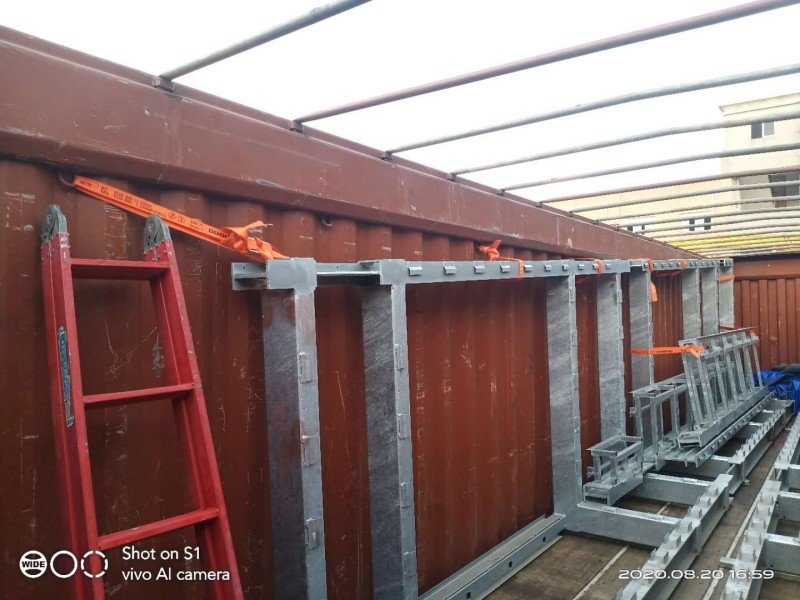
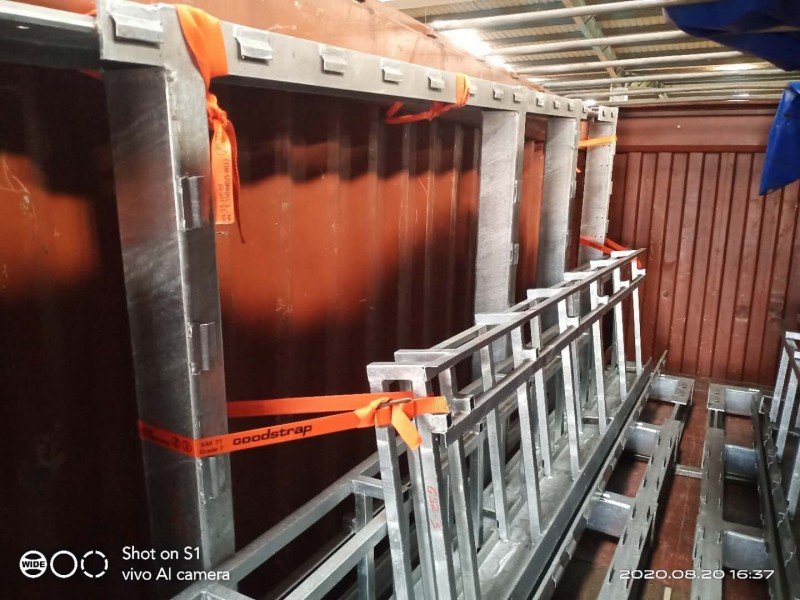
The issue of proper lashing and securing are not to be compromised on because they have a direct influence on the safety and overall open top container shipping cost. They include the use of such materials as chains, straps and turnbuckles to ensure that cargo is held in place when being transported to avoid shifting, which may cause damages or breach of the rules. Wooden blocking and bracing will give basic support, and the reinforcement of the structure may be necessary in case of fragile or odd-shaped objects.
Professional load planning, frequently based on 3D tools, guarantees the optimization of the distribution and adherence to the standards of carriers, including a fee of planning, but minimizing risks in the long-term. Not over-budgeting may be a recommendation here because securing insufficiently may mean rejection of the cargo or in-voyage problems which involves increased costs on remedies.
| Service Element | Typical Cost Effect |
| Standard lashing | Moderate |
| Heavy-duty securing | Higher |
| Custom wooden crating | Variable |
| 3D load planning | Planning fee |
Through these promoting them as mitigation of risks other than as optional extras, exporters can secure their oversized cargo shipping list better and ensure efficiency in their operations.
Route and Regulatory Factors
The variant open top container shipping cost is another level of variability due to route choice factors that are influenced by geographical and regulatory challenges. High handling costs of small ports may also be reduced when the export ports have well developed OOG facilities such as those in the major hubs in Rotterdam or Shanghai. This is enhanced by the complexity of the port of importation destinations which have tougher inspections or where the crane has a reduced capacity may bake an extra fee on top of lengthy processing.
There are canal transit constraints that limit height, like the Panama Canal or Suez Canal, which create the requirement to rerout cargo in route that is overheight, which incurs extra fuel costs and time costs. Current regional OOG approval policies are also different; some regions demand pre-clearance paperwork, failure to properly execute which causes penalties. Costs are also increased on long-haul routes by the effects of inland transport constraints, such as low bridges or road weight limits, which escalate the costs that a highway authority might pay to add an OOG exposure to the charge to meet any delays.
By comprehending these variables at the onset, one is able to optimise routes hence saving manufacturers of heavy machinery unwarranted increases in the open top vs flat rack cost comparison.
Sample Cost Structure Breakdown (Illustrative)
There is a realistic open top container shipping price break down, which indicates that breakdown is not a flat fee, but cumulative, which involves various elements which are interdependent. To demonstrate, take the example of a shipment of a survey of machinery over-height, whereby the base of ocean freight is the central backbone whereas the OOG surcharges are added depending on the projection specifics. The essential operational cost of terminal handling and crane is nearly inevitable and the additional costs of lashing and securing are necessary.
Compliance paperwork of documentation fees and marine insurance which is optional but strongly recommended in high value cargo as a means to cover risks. An approximate lay out follows:
| Cost Category | Included? |
| Base ocean freight | Yes |
| OOG surcharge | Depends |
| Terminal handling | Yes |
| Crane operation | Often |
| Lashing and securing | Yes |
| Documentation | Yes |
| Marine insurance | Optional but recommended |
This failure highlights the fact that cumulative total costs accumulate, and multifaceted examination is necessary to capture all the variables in an excessive size cargo administration budget.
Common Budgeting Mistakes
Open top container shipping miscalculations in the budget are usually induced by mistakes that are learned by experienced logistics teams during the course of trial and error. Key pitfalls include:
- Cargo measurements were incorrect resulting into under quoted OOG surcharges and carrier refusals.
- Disregarding the packaging height, in which additional crates or padding propel the size to premium price ranges.
- In the case of open top equating to flat rack, ignoring the fact that open tops would be cheaper with moderate over-height loads.
- Ignoring port-related charges, including high THC rates in one location.
- Omission of insurance, subjecting the budgets to unexpected damage claims in transit.
By countering these early with measurements, it can be seen that it will result in cost overruns and the ease of planning.
Conclusion — Cost Reflects Engineering Complexity
Cost of open top container shipping is an indicator of the size of cargo, engineering planning, and regulation traps. Teams are able to create more precise estimates and avoid pitfalls through the focus on the early dimensional verification and thorough carrier consultations. This is because a well planned cost assessment will help avoid unwanted extras and safe, quality transport and well-executed projects will be the end results of financial surprises.