
Discover factory relocation logistics from China to overseas in this complete guide. Covering planning, disassembly, OOG cargo shipping, documentation, and reassembly, learn how to manage industrial machinery relocation efficiently and avoid costly mistakes.
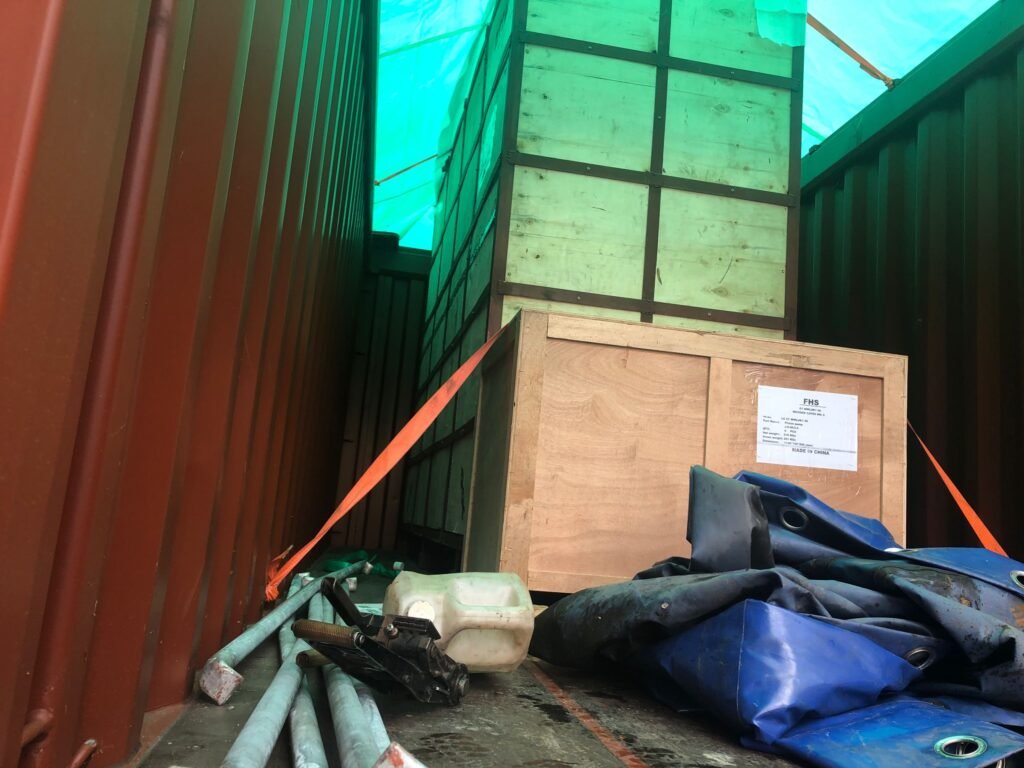
Companies relocate factories from China for reasons like rising costs, supply chain diversification, or tapping into new markets—think the “China +1” strategy pushing production to Vietnam or Mexico. But factory relocation logistics is no small feat; it demands specialized engineering support to handle massive machines without halting operations for months. I’ve led dozens of these projects at Bentlee, and I can tell you: skimping here leads to damaged equipment, customs snarls, or ballooning budgets.
Why the complexity? You’re not just shipping boxes—you’re dismantling entire production lines, crating sensitive parts, and coordinating OOG cargo shipping for oversized machinery transport that doesn’t fit standard containers. The core process: Start with inventory mapping and disassembly, move to packing and crating, handle project cargo logistics via sea or road, clear exports, then reinstall overseas. For readers facing this, the payoff is huge—smooth relocations cut downtime by weeks and protect millions in assets. Let’s prioritize the essentials so you can apply them right away.
What Is Factory Relocation Logistics?
Factory relocation logistics encompasses the end-to-end orchestration of moving industrial assets from one site to another, often across borders. It’s about far more than trucking boxes; we’re talking engineering logistics to disassemble, pack, transport, and reassemble heavy machinery while minimizing risks and downtime.
Why so complex compared to normal cargo? Regular shipping assumes uniform loads, but factory relocation from China involves irregular shapes, fragile electronics, and weights up to hundreds of tons—think stamping presses or SMT lines that require custom rigging. Logistics providers like us at Bentlee coordinate with engineers for 3D load planning, rigging teams for safe lifts, and forwarders for cross-border compliance. Cross-border factory relocation amps up the stakes with varying regulations, like EU machinery directives or US import tariffs. Without this synergy, you’re courting delays or damage—I’ve seen projects grind to a halt over mismatched HS codes alone.
When Companies Should Consider Factory Relocation
Timing a relocation right can transform your operations. Market expansion often drives it—say, a US electronics firm shifting assembly closer to North American customers to slash lead times. Or cost optimization: With China’s wages rising, relocating to lower-cost spots like Indonesia makes sense for labor-intensive lines.
Government incentives abroad sweeten the deal; think tax breaks in India’s manufacturing hubs or subsidies in Eastern Europe for green tech. Production line upgrades might prompt a move if your old site can’t handle new automation. Consolidating sites streamlines efficiency—I’ve helped merge three Chinese plants into one in Thailand, cutting overheads by 25%.
Risk diversification via the “China +1” strategy is huge post-pandemic; firms spread bets to avoid tariffs or disruptions. For example, an auto parts maker I worked with relocated stamping lines to Mexico amid US-China tensions, boosting resilience. If these ring true, it’s time to plan—delaying only compounds costs.
Pre-Relocation Planning: The Most Critical Stage
Planning is where relocations succeed or fail—get it wrong, and you’re fixing issues mid-move. Kick off with a factory survey and inventory mapping: Our teams at Bentlee inspect on-site, cataloging every machine with weights, dimensions, and serials. We map utilities too—power, compressed air, hydraulics—to plan safe disconnections without surprises.
Next, engineering and feasibility assessment: Analyze floor loads to ensure cranes won’t crack concrete, assess lifting points on machines to avoid bends, and plot removal routes through tight factory aisles. Risk evaluation covers everything from seismic zones en route to insurance gaps. I’ve caught potential disasters here, like a press too wide for a doorway, prompting early disassembly tweaks.
Timeline and budget planning uses Gantt charts to sequence tasks—disassembly in week one, packing in two. Delays are common from permit waits or parts shortages; hidden costs like overtime or OOG surcharges can add 20%. Build buffers—our relocation planning checklist always includes contingency funds and phased milestones to keep things on track.
Equipment Disassembly & Preparation
Disassembly isn’t DIY—it’s precision work. Professional teams, often OEM-trained, handle it: For CNC machines, we disconnect spindles carefully; injection molders get molds removed and stored separately. Labeling is key—every bolt, wire, and panel gets tagged with photos and diagrams for reassembly.
Electrical disconnections involve capping wires safely, while piping gets drained and sealed. Sensitive parts like lasers or sensors? Bubble wrap and foam cradles. We create reassembly docs—step-by-step manuals with torque specs. For specialized lines like stamping or SMT, procedures include calibrating alignments pre-dismantle to ease overseas setup. In one Bentlee project relocating a PCB line from Shenzhen, this prep shaved two weeks off reinstall time.
Packing, Crating & Protecting Industrial Machinery
Packing turns vulnerable gear into seaworthy fortresses. We use ISPM 15-compliant wooden crate packaging for machinery—heat-treated lumber to dodge pest regs. Vacuum sealing wraps electronics against humidity on long voyages, paired with silica gels for moisture control.
For heavy equipment shipping, anti-shock bases absorb vibrations; rust prevention sprays coat metals. Steel-frame supports brace extra-heavies like presses. Real talk: On a factory relocation from China to the US, we crated a 50-ton molder with custom foam inserts—arrived flawless despite rough seas. This isn’t generic advice; it’s battle-tested—poor crating once cost a client repairs, but our methods prevent that.
OOG Transport & Heavy Machinery Logistics
Most factory gear is OOG, so transport methods matter. Flat rack containers suit wide loads like conveyor sections—collapsible sides allow overhangs. Open tops handle tall items via crane drops. Breakbulk for monsters too big for containers, loaded direct to deck. RO-RO shines for wheeled units on trailers.
Specialized trailers—low-beds for height, multi-axles for weight—get it to port. Center of gravity is crucial; misplace it, and loads tip. We use 3D load planning to simulate stowage, ensuring lashing and securing per CTU Code—chains tensioned to specs. In international machinery transport, this keeps everything stable across oceans.
Export Procedures & International Documentation
Exports hinge on docs. Machine lists detail HS codes—e.g., 8479 for general machinery—to avoid misclassification. Disassembly reports prove condition; packing lists note dimensions for OOG.
Lashing plans diagram securings; Certificate of Origin verifies China sourcing. Export declarations file with customs; destination rules might need fumigation certs. I’ve navigated these for cross-border factory relocation—missing one can hold ships, so prep early with forwarders.
Overseas Delivery & Reinstallation
At destination, port handling unloads via cranes, then inland trucking delivers. Positioning levels machines on new floors; reconnections hook up power, hydraulics, air. Testing calibrates—run trials, adjust alignments. Final acceptance? Full production runs confirm.
In a Bentlee-led move to Vietnam, we oversaw reinstall of an auto line, hitting output targets in days. It’s about seamless handover.
Common Problems and How to Avoid Them
Pitfalls abound: Damage from poor packing? Use pros for crating. Wrong dimensions reject carriers—measure post-disassembly. No docs during disassembly? Always photograph steps.
Customs delays from paperwork? File early. Incorrect rigging bends frames—assess lifts first. Lost components? Label meticulously. Prevention: Partner with experienced teams; our checklists catch these.
Why Work With a Professional Factory Relocation Team
Pros bring safety—rigging avoids accidents. Accuracy from engineering cuts errors. Expertise in OOG minimizes downtime. Cost efficiency through optimized plans. Compliance dodges fines. At Bentlee, we’ve turned chaotic moves into smooth ops—worth every penny.
Conclusion — Clear, Confident, Professional Summary
Factory relocation logistics demands upfront planning to safeguard assets and timelines. From disassembly and reassembly to OOG cargo shipping, every step ties into engineering precision. Don’t wing it—consult pros like Bentlee to sidestep delays and damage, ensuring your move powers growth overseas.