
Engineering Vehicle Transport Case
When standard containers can't accommodate your engineering vehicles, specialized OOG logistics become essential. This case demonstrates how Bentlee delivered a complex oversized equipment shipment from factory to destination port—combining precise planning, professional securing, and end-to-end execution.
Project Snapshot
| Cargo Type | Engineering Vehicle / Construction Equipment |
| Cargo Condition | Self-propelled, irregular structure |
| Dimensions | Oversized (exceeding standard container limits) |
| Gross Weight | Heavy-duty equipment |
| Container Type | Open Top / Flat Rack |
| Transport Scope | Inland transport + Ocean freight |
| Route | Origin factory → Port of loading → Destination |
| Key Challenges | Over-height, uneven weight distribution, securing safety |
| Bentlee Services | Measurement, planning, lashing, transport execution |
Figures shown are representative of this shipment's planning constraints.
Project Photos
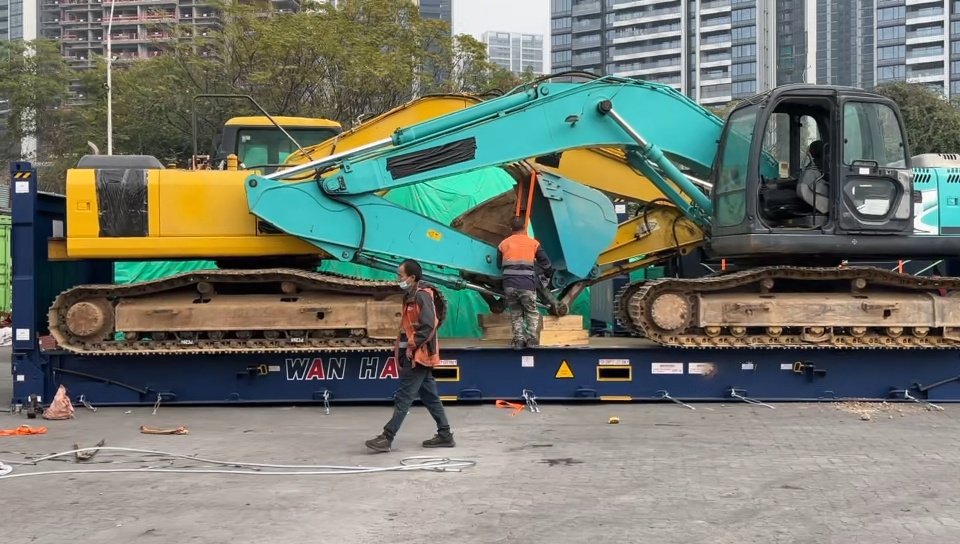
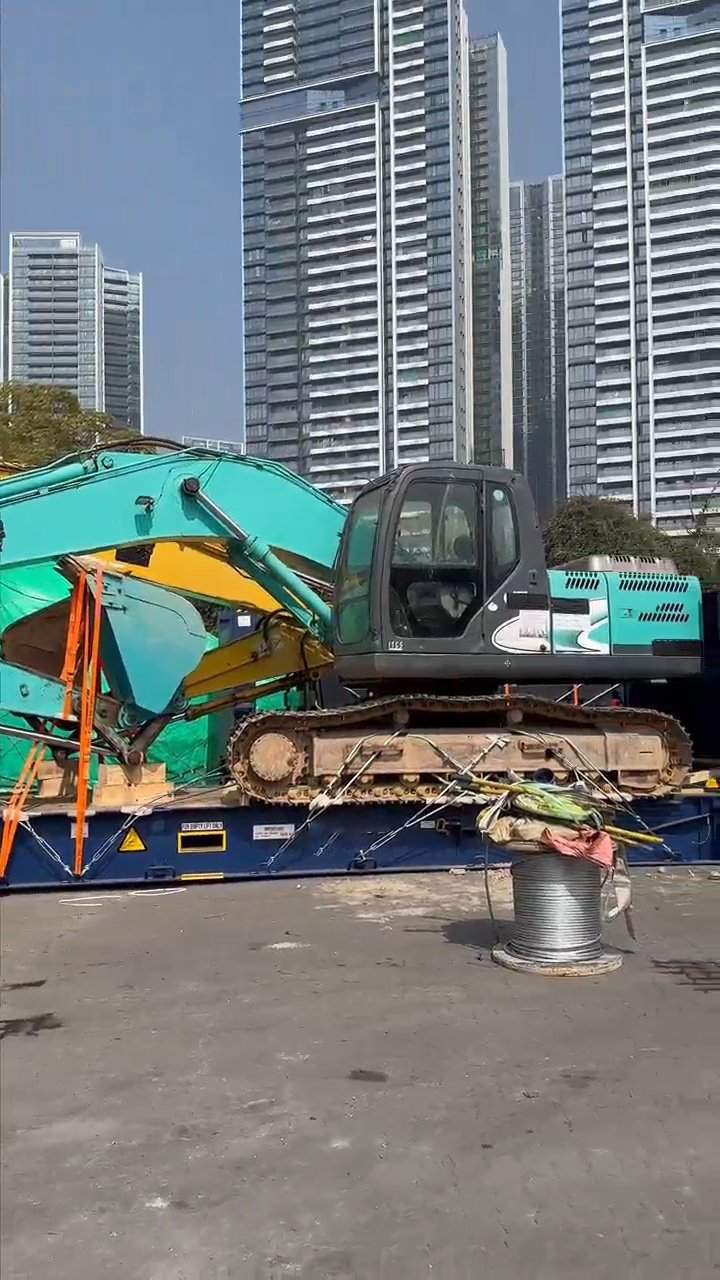
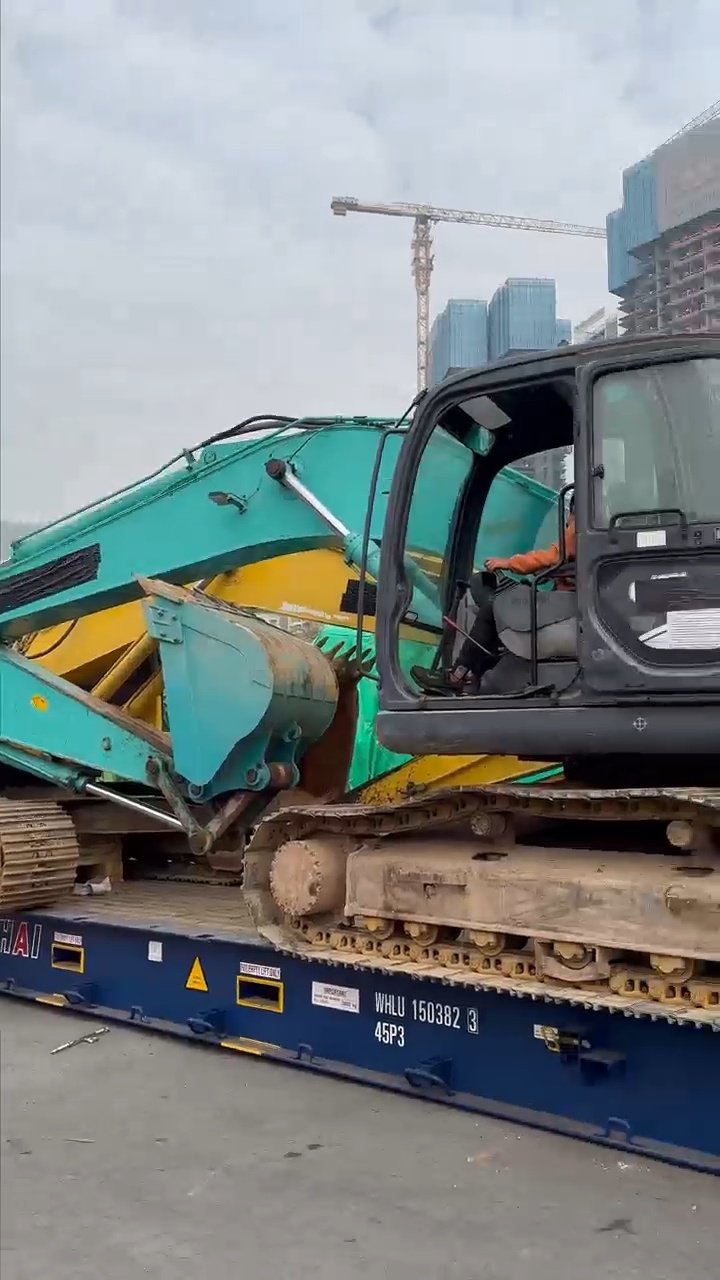
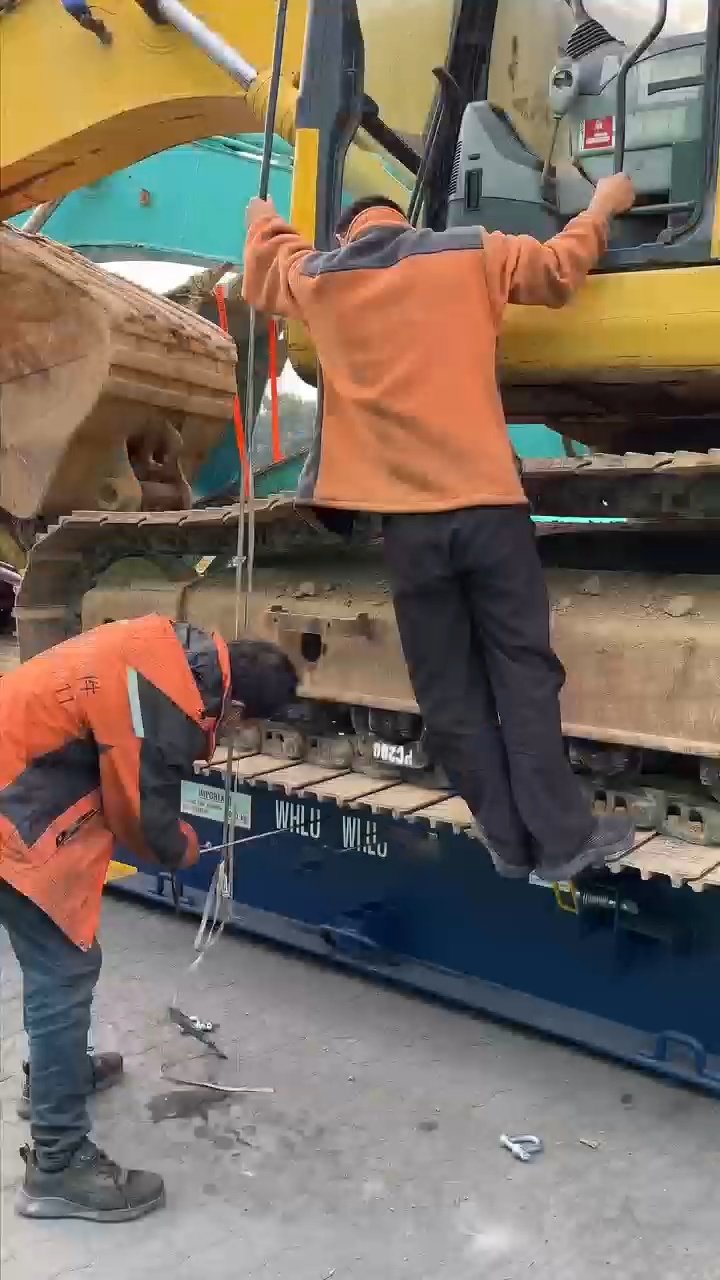
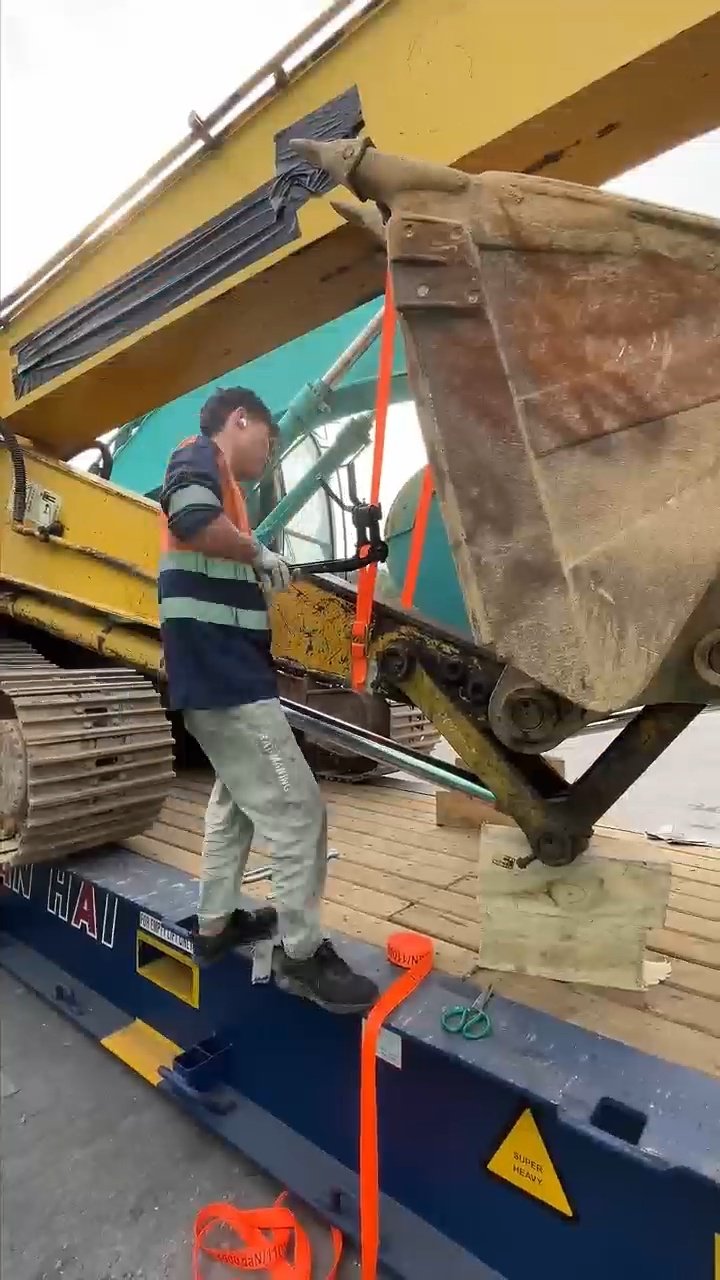
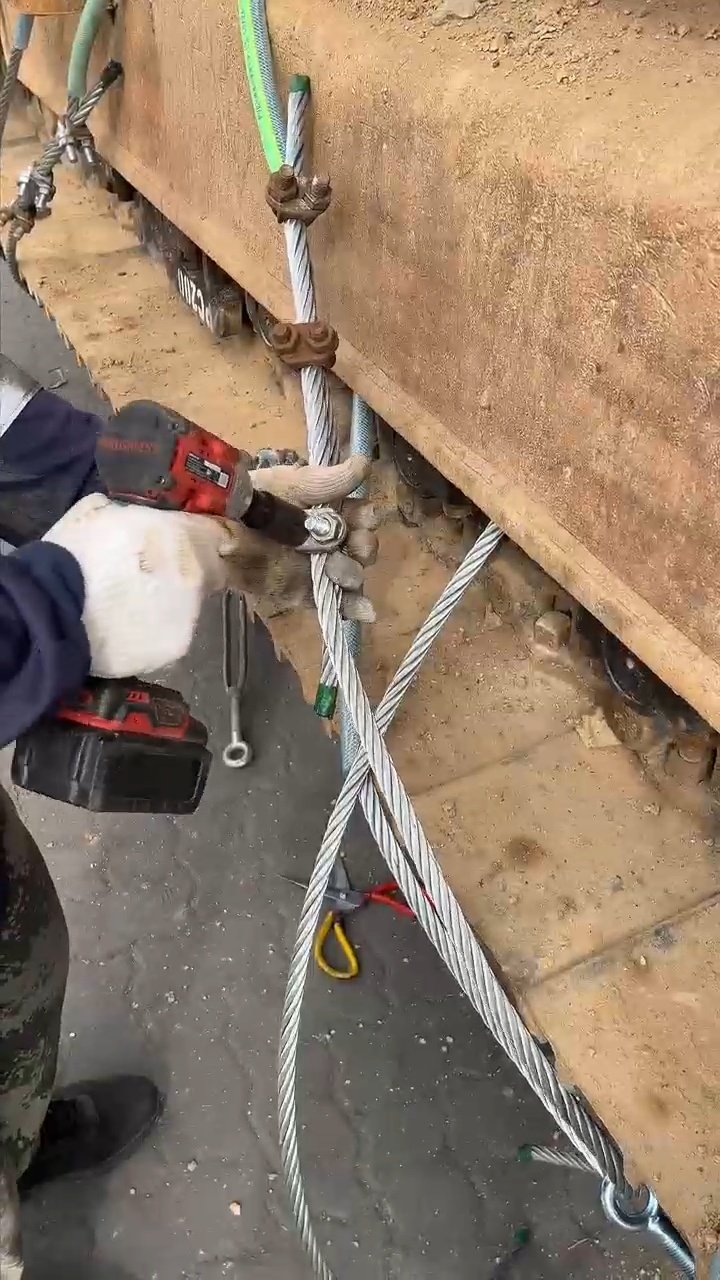
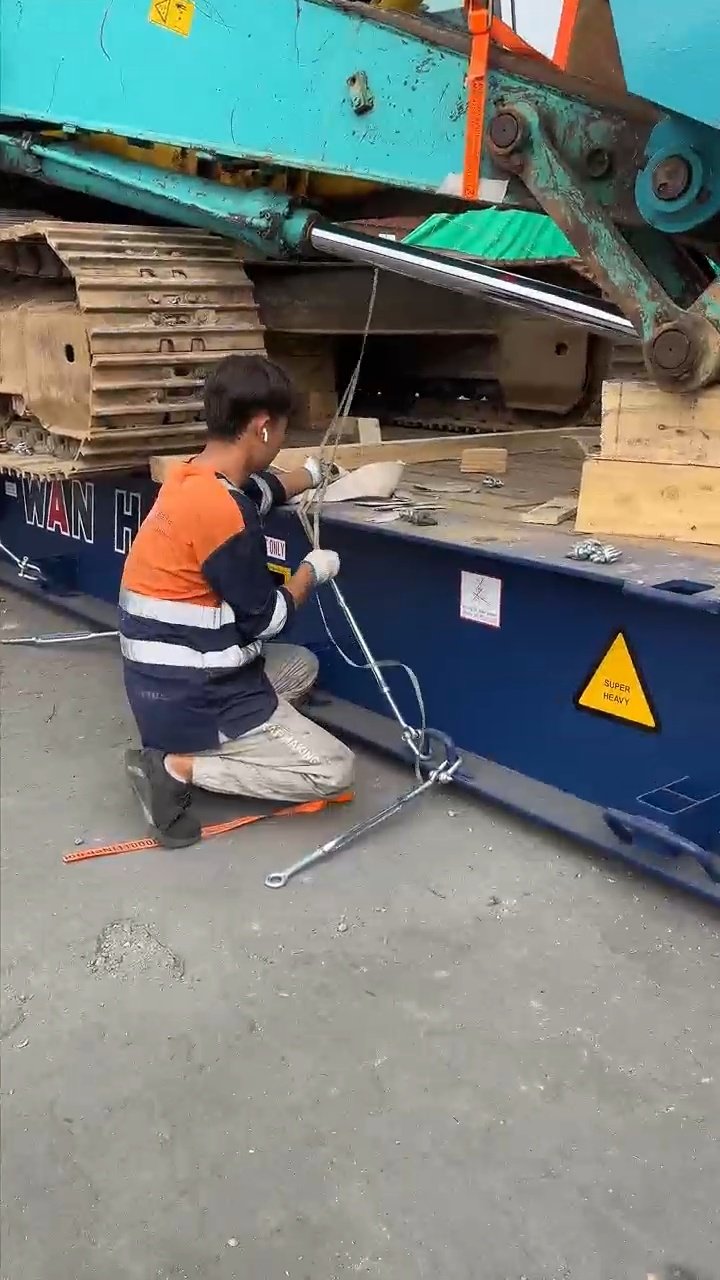
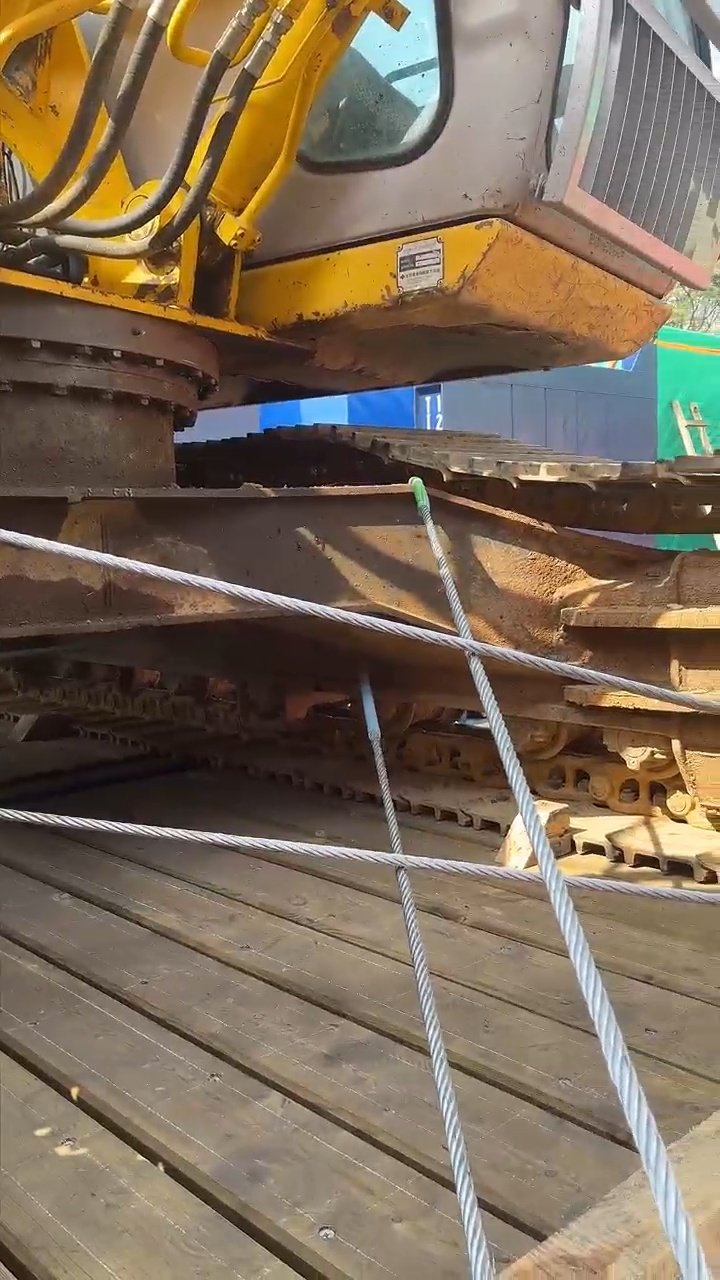
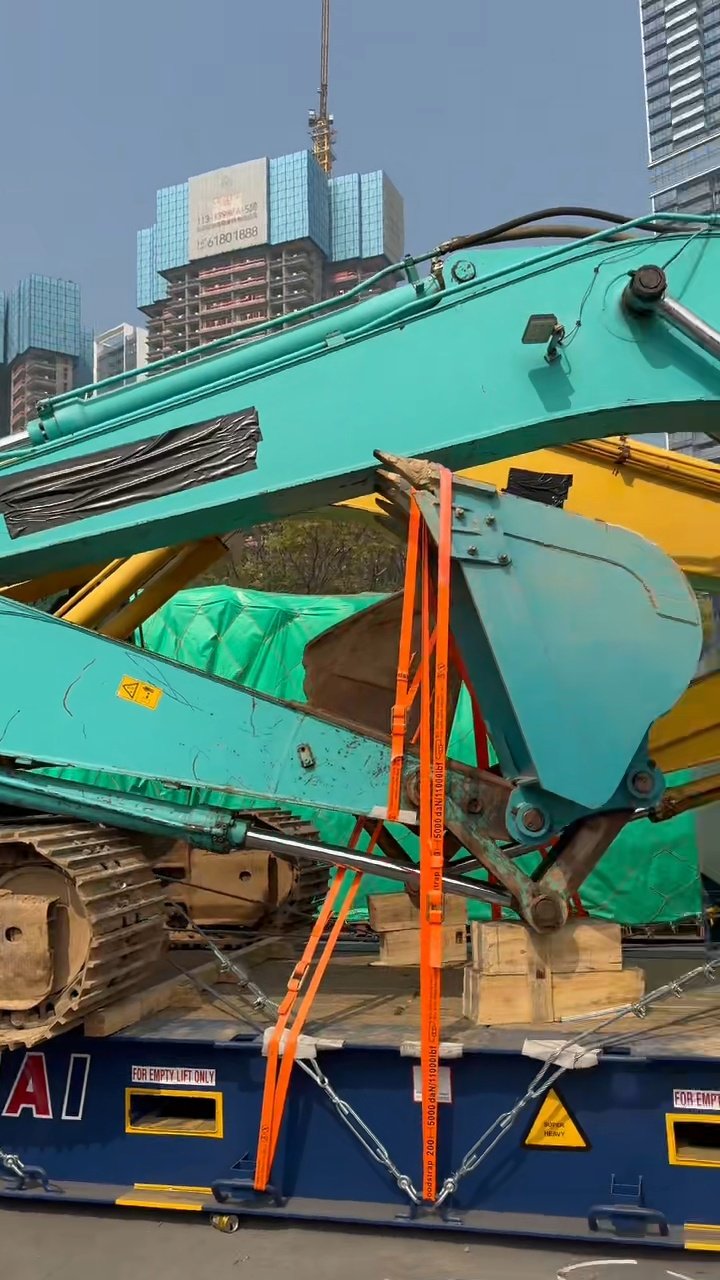
Project Background
A manufacturing client needed to ship a large engineering vehicle internationally—a piece of construction equipment that had been custom-built for a specific project overseas. The vehicle's dimensions and weight exceeded the capacity of standard shipping containers, and its irregular structure made conventional packing methods impossible. Time was a critical factor, as the equipment was needed on-site to keep the client's construction schedule on track.
Standard 20-foot or 40-foot containers were not an option. The client required a logistics partner who could assess the cargo on-site, design a safe and compliant transport plan, and execute the shipment without delays or damage. That's when Bentlee was brought in to provide a full-scope OOG logistics solution—from measurement and container selection to securing, transport, and delivery.
Key Transportation Challenges
Over-Height Beyond Standard Container Limits
The vehicle's height exceeded what a standard container could accommodate, requiring specialized Open Top or Flat Rack solutions to avoid structural modifications.
Uneven Weight Distribution and Stability Risks
The equipment's center of gravity was not uniform, creating potential tipping or shifting risks during loading, transport, and ocean transit.
Exposed Components Requiring Protection
Critical mechanical parts were exposed and vulnerable to weather, salt spray, and impact during handling and sea transport.
High Securing Strength for Inland + Ocean Transport
The cargo needed to withstand vibrations from inland trucking and the dynamic forces of ocean waves without movement or damage.
Limited Margin for Error During Handling
Any miscalculation in load planning, securing, or crane operations could result in equipment damage, safety incidents, or costly delays.
Transportation & Execution
Bentlee coordinated the entire transport chain, from the client's factory to the port of loading. We deployed specialized trailers and ultra-low flatbeds designed for oversized cargo, ensuring the vehicle could be moved safely over public roads without exceeding clearance limits or requiring excessive permits. Our team worked closely with port operators to schedule crane operations and container positioning, minimizing dwell time and reducing the risk of delays.
The integration of inland and ocean transport was seamless. By managing both legs of the journey under a single logistics plan, we eliminated handoff risks, maintained cargo visibility, and ensured that the equipment arrived at the destination port on schedule and in perfect condition. Throughout the process, the client received regular updates and documentation, providing full transparency and peace of mind.
Result & Delivery Outcome
The engineering vehicle was delivered to the destination port without incident. The cargo arrived in the same condition it left the factory, with no damage, no delays, and no claims. The client was able to proceed with their construction schedule as planned, and the project reinforced Bentlee's reputation for handling complex OOG shipments with precision and reliability.
Why Choose Bentlee for Engineering Vehicle Transport
Technical Team & On-Site Measurement
Our logistics engineers conduct detailed on-site assessments to capture exact dimensions, weight distribution, and structural characteristics—ensuring every plan is based on real data, not assumptions.
3D Load Planning + Container Optimization
We use 3D modeling and stability analysis to simulate loading scenarios, optimize container selection, and predict transport behavior—reducing risk and maximizing efficiency.
Professional Lashing, Protection & Risk Control
Our securing methods meet international standards and are designed to withstand the full transport cycle—from inland trucking to ocean transit—keeping your cargo stable and protected.
Need to Ship an Engineering Vehicle or Heavy Equipment?
Whether you're moving construction machinery, industrial equipment, or oversized vehicles, Bentlee has the expertise and resources to handle your OOG logistics from start to finish. Let's discuss your project and design a transport plan that works.
Share dimensions, weight, and route — we'll respond with a practical plan.